
How Pest Control Services Handle Pigeon Problems and What Results to Expect
How Pest Control Services Handle Pigeon Problems and What Results to Expect
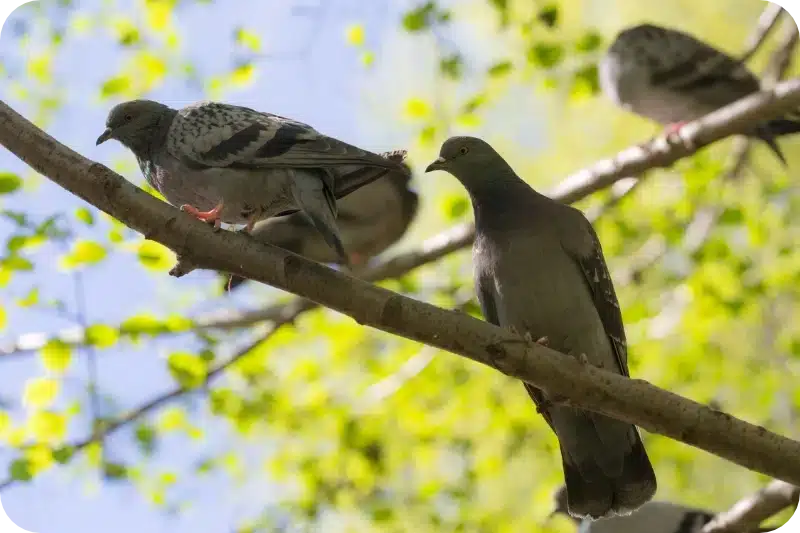
Trained wildlife technicians remove or deter feral birds from rooftops, balconies, and ledges using exclusion methods and targeted deterrents. The goal is not only to remove the birds but to prevent roosting and nesting from becoming an ongoing problem.
In cities such as Calgary, feral doves often settle near vents or solar panels. Certain properties attract more activity due to food sources, waste, or structural features. Accumulated droppings, visible debris, or odors near vents typically indicate nearby nesting. Once established, birds tend to remain in the same location.
Cleaning alone is not sufficient. Effective control requires physical barriers such as netting or spike systems. In some cases, one-way exclusion devices allow birds to leave while preventing re-entry. Licensed technicians may also apply repellents suited to the specific structure and infestation level.
While opinions may differ on severity, the impact is consistent. Bird activity leads to blocked gutters, surface contamination, noise, and property damage. A structured removal and prevention plan provides long-term results.
Can Pest Control Actually Stop Pigeon Issues?
Yes, but it depends on the approach. A single visit or simple deterrents, such as decoy owls, rarely provide lasting results. Effective control requires a structured plan that includes physical barriers, behavioral adjustments, and ongoing maintenance. Birds are persistent and will relocate nearby if access is not fully restricted.
Netting and spike systems are commonly used but are not always sufficient on their own. Birds may continue nesting in adjacent areas if gaps remain. More tailored solutions can improve results. Mechanical deterrents, such as spring-loaded devices or motion-activated sprayers, can encourage birds to leave without causing harm.
Food sources also play a significant role. Even with proper exclusion, birds will remain nearby if food is accessible. Regular cleaning and changes to waste management reduce attraction and support long-term control. In some cases, technicians apply strategies similar to those used in rodent control, focusing on exclusion and deterrent zones.
Bird removal and prevention are achievable, but results require time and a comprehensive approach. Quick fixes rarely address the full problem.
How Pest Management Companies Handle Pigeon Removal from Residential Buildings
On multi-unit buildings, technicians typically begin with a roof inspection. Activity often starts in areas such as vents, overhangs, or ledges. Once nesting or roosting locations are identified, the next step is to restrict access. This is done by making the structure less suitable for habitation rather than trapping or relocating birds. Installing mesh, spikes, or angled barriers helps prevent birds from returning to the same areas.
Property owners may expect faster solutions, such as sprays or bait, but bird control differs from insect treatment. It relies primarily on physical deterrents and disruption of established behavior rather than chemical application. Indoor pest control methods follow a different process and are not directly comparable.
Ensuring Long-Term Success in Pigeon Control
The main challenge begins after the initial service. Birds are persistent, so follow-up visits are important. Technicians may return to confirm that deterrents remain effective, particularly after wind or snow. They may also recommend minor exterior repairs or routine inspections. Skipping these steps often leads to renewed activity, either from the same birds or new ones.
In multi-unit settings, neighbouring units may begin to experience similar issues. Coordinated treatment across the property improves overall results. Service providers often outline the appropriate pest control methods for different species, including birds.
Insurance coverage for bird-related issues is uncommon, although it depends on the policy. Property owners should verify coverage details directly with their provider.
Extra Measures When Pigeon Activity Spreads
Bird issues can overlap with other pest problems, such as wasps near soffits or skunks under decks. When multiple pests are present, a combined treatment approach is often necessary. This is especially common in older buildings or properties with multiple entry points.
Addressing all contributing factors at the same time improves effectiveness and helps prevent recurring problems.
Pigeon Deterrents and Barriers: What Works to Keep Birds from Returning
The most reliable way to prevent pigeons from returning is to make the property less suitable for roosting. Spikes installed along ledges do not harm birds but prevent them from landing and nesting. When installed correctly, they remain discreet and do not significantly affect the building’s appearance. Mesh netting serves a similar purpose and is commonly installed across open balconies or behind signage where birds tend to gather. These barriers restrict access and encourage birds to relocate.
On open rooftops, sloped sheathing or angled strips can be added to ledges to eliminate stable landing areas. Some systems use low-voltage electrified tracks that deter birds without causing injury. Visual deterrents, such as reflective devices, moving decoys, or sound emitters, may also be used. While these methods are less consistent on their own, they can support physical barriers as part of a combined strategy.
Maintaining Pigeon Deterrents and Barriers
In many cases, the issue involves more than the structure itself. Food sources such as scraps, birdseed, or overflowing garbage bins can attract birds and encourage them to return. Blocking access alone is not sufficient if these conditions remain. Consistent property maintenance is necessary to support long-term control.
The same principles apply across different pest scenarios. Whether addressing wildlife around vehicles, burrowing animals outdoors, or indoor infestations, effective control focuses on removing attractants, limiting access, and applying targeted treatment based on the environment.
When to Involve Wildlife or Municipal Services Alongside Pest Control
If birds are nesting in areas such as roof vents, attic spaces, or other enclosed structures, the issue extends beyond a simple nuisance. These situations often require specialized handling. In many Canadian cities, including Calgary, certain bird species are protected under local bylaws or provincial regulations, particularly during nesting season. In these cases, professional wildlife services are necessary to ensure compliance and proper removal.
Municipal involvement may also be required when bird activity affects shared or public spaces. Accumulated droppings on sidewalks, damage to buildings, or disruption to nearby areas can fall under city jurisdiction. While pest control companies can assess the situation and provide guidance, resolution may involve coordination between property owners, service providers, and municipal authorities.
Signs You Need Outside Help
- Active nests in vents, soffits, or chimneys, especially when eggs or young birds are present
- Large flocks gathering near commercial rooftops, solar panels, or apartment balconies
- Ongoing issues in areas governed by municipal regulations, such as parks, sidewalks, or heritage buildings
- Complaints from neighbors that may lead to city involvement
Professionals typically identify these situations early and can determine where private pest control ends and municipal responsibility begins. They may guide the process or step back when regulations require it.
For comparable situations involving shared living spaces, such as infestations spreading between units, refer to guidance on whether pest control can eliminate carpet beetles.
Q&A
How do pest control services approach removing pigeons from buildings?
Companies typically use a mix of methods such as humane trapping, exclusion techniques like installing netting or spikes, and cleaning up nesting sites. They focus on making the environment unattractive or inaccessible to pigeons to discourage their return. Chemical repellents may sometimes be applied, but physical barriers tend to be the main tool for long-term results.
Can pigeons come back after removal, and what prevents that from happening?
Pigeons often try to return if their previous spots remain accessible and inviting. Preventing their comeback usually means sealing entry points, installing deterrents like spikes or wires, and keeping areas clean from food scraps and nesting materials. Continuous maintenance is necessary because pigeons are persistent and can find new ways to settle if conditions allow.
Are there any risks or regulations to consider when dealing with pigeons?
Yes, in many places pigeons are protected by local wildlife laws, so methods that cause harm or kill them might be restricted or illegal. Using traps or exclusion devices usually aligns better with these regulations. Also, handling bird droppings requires caution due to health hazards, so professional cleanup and removal are often recommended for safety.
What makes pigeons so difficult to remove compared to other birds?
Pigeons adapt well to urban settings and breed year-round. Their ability to nest on ledges, roofs, and other hard-to-reach places, combined with their strong homing instinct, makes simple removal less effective. They also tolerate human presence and can survive on limited food sources, which adds to the challenge of discouraging them.
Is it possible to handle pigeon problems without professional help?
Homeowners can try some deterrents like installing spikes, netting, or reflective objects to discourage pigeons. Removing food sources and regularly cleaning areas also helps. However, because pigeons can be persistent and access hard-to-reach spots, professional assistance may be necessary to fully resolve serious infestations or ongoing issues.
Pest control: get local help
The Pest Control Guy handles pest control and related problems across Calgary, Airdrie and the surrounding communities. Licensed technicians, prevention-first treatment and free estimates.
- All Calgary pest control services
- Book an inspection or free estimate
- More pest control advice on the blog
For background on pesticide safety and integrated pest management, see the Government of Canada pest management guide.