
Does Home Insurance Cover Pest Control? Maintenance Matters
What Types of Pest Damage Are Typically Covered by Standard Home Insurance
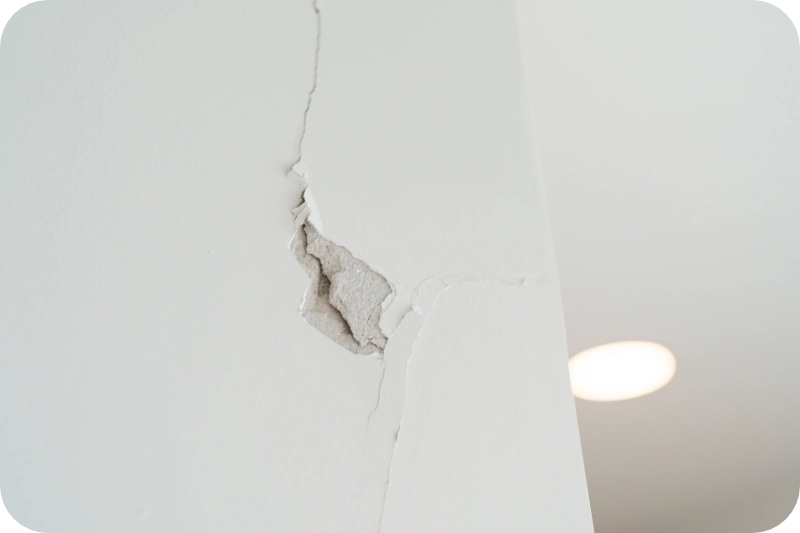
Understanding whether home insurance covers pest related damage is essential. Most policies exclude infestations, regardless of severity. Issues involving ants, rodents, or wasps are typically classified as maintenance and remain the homeowner’s responsibility.
Exceptions may apply when pest activity leads to a sudden, insured event. For example, if wildlife damages wiring and causes a fire, or breaches a structure during a storm, coverage may apply to the resulting damage. In these cases, the claim applies to the damage, not the infestation.
Structural damage caused by pests, including termites, is generally excluded. These conditions are considered preventable through regular maintenance and are not covered under standard policies without additional coverage.
Policy terms vary by provider. Reviewing the policy or consulting an insurance representative provides clarification. Early identification and management of pest activity reduces risk and helps prevent more extensive damage.
Does Home Insurance Cover Pest Control?
Standard property policies exclude infestations. Rodents and insects are classified as maintenance issues because they develop over time. Removal and repair are the homeowner’s responsibility.
Coverage applies only when pest activity causes a sudden, insured event. Examples include fire from damaged wiring or water loss from compromised plumbing. Coverage applies to the damage, not the infestation.
Removal and prevention are separate from claims. Trapping, sealing entry points, and professional treatment are required.
Early intervention reduces damage and cost.
Is It Worth Paying Out of Pocket?
Homeowners often assume pest issues are covered by insurance. Most policies exclude infestations. Delayed action increases damage.
Droppings, scratching, and nesting indicate established activity. Basic methods are often insufficient. Professional assessment identifies entry points and activity patterns. Early intervention reduces recurrence and cost.
What’s the Smarter Approach?
Pest control is routine maintenance, not insurance coverage. It prevents higher repair costs.
Rodent and insect activity can damage drywall, electrical systems, and insulation. Early prevention costs less than structural repair.
Action is required regardless of policy coverage.
What Types of Pest Damage Are Typically Included or Excluded in Home Insurance Policies
Rodent damage is assessed by cause. Fire from chewed wiring may be covered. Gradual damage, such as insulation loss from nesting, is not. It is classified as maintenance.
Most policies exclude damage from insects, rodents, and wildlife. This includes structural damage, contamination, and long term deterioration. Coverage applies only when a separate insured event occurs, such as water intrusion from structural failure.
Inconsistent treatment allows infestations to persist. Effective control requires proper application and correct conditions.
Regular inspection reduces risk. Early detection limits damage and cost.
Safety protocols are required. Proper preparation reduces risk to occupants and pets.
Established infestations require structured intervention. Delays increase damage and reduce the chance of coverage.
How Insurers Distinguish Between Preventable Infestations and Covered Events
Policies distinguish between maintenance issues and sudden events. Recurring or neglected infestations are classified as preventable. Damage from rodent activity or improper food storage is not covered. Removal costs are the homeowner’s responsibility.
Coverage may apply in sudden events. For example, wildlife damage during a storm may qualify as part of an insured loss. In these cases, coverage applies to structural damage only. Cleanup and animal removal are typically excluded.
Why Maintenance Matters So Much
Underwriters assess whether damage is gradual or sudden. Long term damage, such as structural loss from termites, is classified as maintenance and is not covered. Sudden incidents, such as injury linked to a nest, may fall into a different category. Coverage decisions vary by policy and interpretation.
Providers emphasize ongoing maintenance. Documented upkeep supports compliance and reduces the risk of denied claims.
Where It Gets Complicated
The distinction is not always clear. Rodent damage to wiring may be viewed as gradual. If prior signs were present, earlier action is expected. Documentation of inspections or a structured control plan can support a claim but does not guarantee approval.
Policy interpretation varies by provider and adjuster. Outcomes differ by jurisdiction. Records, timelines, and consistent maintenance improve claim support.
Steps to Take If You Discover Pest Damage and Plan to File a Claim
Do not discard damaged items. Preserve evidence. Photograph all affected areas, including baseboards, insulation, wiring, and contaminated materials. Documentation supports assessment.
Review the policy. Most exclude infestations, but coverage may apply if a secondary event occurred, such as a burst pipe or electrical fire. The distinction between gradual damage and a sudden event determines eligibility.
Speak With Your Provider Before Scheduling Work
Do not begin cleanup without confirming requirements. Insurers may require inspection or approval before work starts. Early action can affect claim eligibility.
If immediate action is necessary for safety, document conditions first. Take photos, retain receipts, and record reasons for proceeding.
Follow technician instructions for treated areas, especially kitchens. Maintain records of all treatment details.
Request an Inspection From a Licensed Expert
Identify the source of damage. Determining whether it is caused by mice, voles, or other wildlife is required. A technician can assess duration, which may affect claim eligibility.
For outdoor damage from burrowing or nesting wildlife, specialized service may be required. A formal inspection report can support a claim.
Maintain detailed records:
- Keep a log of all communication with the provider
- Save emails, voicemails, and representative names
- Confirm required documentation directly
Accurate documentation supports the claim process. Early steps, including photos, policy review, and inspection records, improve outcomes.
Q&A
Can I file a claim for rodent damage under my policy?
Most standard policies exclude damage from rodents and wildlife. These issues are classified as maintenance. Coverage may apply only if a sudden, insured event occurs, such as a burst pipe caused by rodent damage. Review policy terms for specific conditions.
Will the insurer cover extermination costs?
Extermination and removal are not covered. These services are classified as routine maintenance and remain the homeowner’s responsibility. Insurance applies to physical damage, not pest control.
What should I do after discovering damage from an infestation?
Document all damage with photos and notes. Contact the insurer to report the issue and confirm requirements. Obtain a professional inspection if needed. Prompt action supports the claim process and limits further damage.
Are infestations caused by poor maintenance covered?
No. Damage linked to neglect or lack of upkeep is excluded. Policies require reasonable prevention measures such as sealing entry points and maintaining sanitation.
Can damage from wildlife entering during a sudden event be covered?
Possibly. If entry occurs due to an insured event, such as storm damage to a structure, resulting damage may be covered. Damage caused solely by the animal is not.
Is financial assistance available for insect or rodent issues?
Routine removal and prevention are excluded. Some policies may cover repairs if structural damage results from a qualifying event. Review policy details and maintain records. Prevention and maintenance remain the homeowner’s responsibility.
Home insurance cover pest: get local help
The Pest Control Guy handles home insurance cover pest and related problems across Calgary, Airdrie and the surrounding communities. Licensed technicians, prevention-first treatment and free estimates.
- All Calgary pest control services
- Book an inspection or free estimate
- More pest control advice on the blog
For background on pesticide safety and integrated pest management, see the Government of Canada pest management guide.