
Can Pest Control Get Rid of Carpet Beetles? Methods That Work
How Professional Treatment Targets and Eliminates Carpet Beetle Infestations
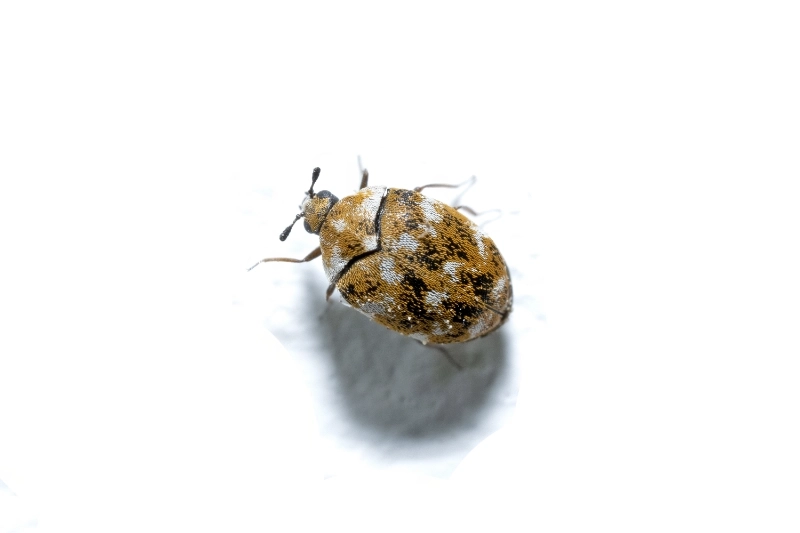
Direct treatment by a licensed technician provides the most reliable response once larvae damage natural fibers inside the home. Infestations affecting wool, silk, leather, or feather-filled materials rarely resolve with household remedies. Residual insecticide applied to nesting areas such as baseboards, closets, and air vents disrupts the insect life cycle.
Many homeowners notice holes in clothing or damage in rugs before identifying the source. Careful inspection reveals the infestation. A trained technician identifies cast skins, fecal pellets, and eggs hidden beneath furniture or inside insulation. The technician determines whether stored items require disposal, treatment, or sealed storage. Hidden sources cause reinfestation when left untreated.
Some homeowners attempt control with cedar products, vacuuming, or freezing garments. These methods slow activity temporarily but rarely eliminate every life stage. Eggs, larvae, and adults must all be removed to stop reproduction. Older homes with undisturbed storage areas often require multiple service visits. Large properties may require attic or crawlspace treatment.
Infestation duration affects treatment strategy. Visible damage indicates long-term activity. Residual sprays alone may not resolve advanced infestations. Technicians combine chemical treatment with monitoring traps and structural exclusion. Vent screens and sealed gaps near baseboards reduce future entry points.
Preventive education reduces recurring infestations. Understanding insect population control explains the purpose of treatment. Guidance on pest control spray and plant exposure explains potential effects on vegetation.
Can Pest Control Get Rid of Carpet Beetles?
Professional extermination services eliminate these insects when treatment is thorough. Control rarely occurs in a single visit. Technicians treat baseboards, wall voids, attics, and air vents. Surface sprays alone fail when larvae remain hidden. These pests hide in furniture seams, under carpets, and inside stored fabrics. Every life stage must be interrupted to stop reinfestation.
A common mistake is relying on a single product or treatment. Effective control requires multiple methods. Technicians apply residual sprays, insect growth regulators, and HEPA vacuuming in infested areas. Severe infestations may require removal of contaminated materials such as blankets, insulation, or clothing. Ignoring hidden sources allows the infestation to continue.
Older homes and properties with stored textiles experience persistent infestations without aggressive treatment. Follow-up visits over several weeks often resolve remaining activity. Property owners noticing fabric damage and insects near vents should contact affordable pest control in Calgary for inspection and treatment.
Inspections may also reveal other pests inside insulation or basement areas. Vole activity sometimes appears during attic inspections. In those cases, addressing the problem with vole pest treatments prevents additional damage.
Extermination services resolve infestations when technicians apply the correct methods and complete the process. Continued activity after store-bought sprays indicates deeper infestation. Professional inspection and treatment stop the problem. Selecting a service that inspects vents, insulation, and structural voids prevents missed nesting areas.
How Technicians Identify the Source of a Carpet Beetle Infestation
Technicians begin by identifying rooms that show clear signs of larval activity. Indicators include holes in fabrics, shed skins near baseboards, or small brown larvae in dark corners. Physical evidence guides the inspection and reveals nesting locations.
Technicians move furniture, inspect behind baseboards, and lift rugs to check the underlay. Attic insulation or wall voids may also contain hidden activity. Damage clusters and repeated sightings reveal the infestation area.
Closets, air vents, and upholstered items require careful inspection. Larvae often hide behind dresser drawers or inside stored blankets. Undisturbed areas frequently contain the source.
Experience improves detection. Technicians determine whether the infestation originates from insulation, pet hair accumulation, or stored fabrics. Correct identification allows targeted treatment, such as family safe pest removal Airdrie, instead of broad application.
Homeowner observations assist the inspection. Recent furniture purchases or increased insect activity near windows may reveal entry points. Technicians then inspect each room systematically. When uncertainty remains, review when to call pest control for guidance.
Safety concerns often arise during treatment planning. Modern products minimize exposure when applied correctly. Information about pest control safety for humans explains these precautions.
The same inspection method applies to other hidden pests. Technicians locate the origin rather than treating visible activity alone. This approach resolves infestations such as pest control mouse removal or spider pest control treatment.
Which Treatment Methods Target Adult Beetles and Larvae Indoors
Residual contact sprays address larvae and adult insects inside the home. Technicians apply treatment along baseboards, carpet edges, behind furniture, and inside closets where larvae feed or adults hide. Products containing pyrethroids provide effective control and require application by licensed technicians due to toxicity and dosage limits.
Insect growth regulators stop development at the larval stage. These products disrupt molting and prevent reproduction. Technicians often apply them with residual insecticides in areas showing frass or shed skins.
Crack and Crevice Application
Larvae hide in tight, undisturbed spaces. Technicians treat cracks, gaps around vents, and wall voids behind switch plates with aerosols or dust formulations. These treatments reach areas sprays cannot penetrate.
Silica dust or boric acid often targets these zones. These materials remain active for long periods and dehydrate insects after contact.
Vacuuming and Heat Treatments
Vacuuming removes live larvae, shed skins, and fibres used as food. Vacuuming alone does not resolve the infestation. Bag contents require sealing and immediate disposal to prevent reinfestation. Severe infestations may require thermal treatment that raises indoor temperatures above 50 °C to reach insects inside furniture or wall voids.
Technicians treat more than visible areas. Detailed inspection identifies hidden harbourage and guides treatment strategy. Persistent activity after multiple treatments usually indicates missed nesting areas. Additional inspection by experienced technicians often reveals concealed infestation points.
What Homeowners Should Do After Treatment to Prevent Reinfestation
Vacuum frequently and thoroughly. Assume microscopic fibres or debris remain even when surfaces appear clean. Focus on baseboards, under furniture, vents, and areas where lint or pet hair collects. Dispose of vacuum bags or empty canisters outside immediately.
Store natural fabrics in sealed containers. Wool, silk, feathers, and other animal-based materials attract infestation. Use garment bags, sealed bins, or vacuum storage to block access. Avoid leaving sweaters or blankets exposed in closets during warmer months.
Inspect windowsills, door frames, attic vents, and baseboard heaters regularly. These locations serve as common entry points. Repair torn screens and seal gaps in weather stripping. Small openings allow adults to enter and lay eggs.
Launder or dry-clean stored textiles every few months. Include rugs, drapes, and spare linens. Cleaning removes larvae, oils, dust, and odours that attract insects. Items that cannot be washed should be aired in direct sunlight.
Habits That Help Long-Term
- Rotate seasonal clothing and bedding instead of storing them untouched for long periods.
- Use cedar blocks or sachets. Lavender or clove oil also deters insects but requires regular reapplication. These methods discourage activity but do not block infestation.
- Correct moisture problems. Damp basements and poorly ventilated attics create favorable hiding areas.
Previous infestations increase the risk of recurrence, especially when nearby homes experience similar problems. Continued monitoring prevents reinfestation. Persistent activity may require comparison with other insect issues, including species that resemble yellow jacket infestations.
Follow-Up May Be Necessary
Treatment can miss hidden eggs. This result reflects insect biology, not treatment failure. Technicians usually schedule a follow-up inspection within several weeks to confirm elimination.
Multiple pest issues may require coordinated control. Outdoor pests such as voles can appear alongside indoor infestations. In these situations, an experienced vole pest control company can coordinate indoor and outdoor treatment strategies.
Q&A
How does pest control actually eliminate carpet beetles from a home?
Pest control professionals use targeted treatments designed to address both adult carpet beetles and their larvae. These treatments often include residual insecticides applied to carpets, baseboards, and other infested areas. Technicians also identify and treat breeding sites like closets or storage areas where larvae feed on natural fibers. This combination helps to reduce the current infestation and prevent new beetles from emerging.
Are there any signs that indicate the presence of carpet beetles after treatment?
Even after pest control treatment, some signs may linger temporarily. These include shed skins from larvae, small holes in wool or fabric items, and occasional beetles near windows or light sources. However, a significant reduction in live beetles and larvae is expected within days or weeks. Persistent or increasing signs might suggest re-infestation or that some areas were missed during treatment.
Can DIY methods replace professional pest control for getting rid of carpet beetles?
While vacuuming, laundering infested fabrics, and using insecticides available to consumers can reduce carpet beetle numbers, these measures often don’t eliminate the problem fully. Professional pest control targets hidden breeding sites and applies more potent and safe treatments that last longer. For severe or widespread infestations, relying solely on DIY methods is usually ineffective.
What preventive steps should homeowners take after pest control treatment to avoid carpet beetle return?
After treatment, keeping a clean environment is key. Regular vacuuming of carpets, upholstery, and storage areas removes eggs and larvae. Storing clothing and textiles in sealed containers helps block beetle access. Controlling humidity and sealing cracks around windows and doors reduce entry points. Monitoring with sticky traps can catch new beetles early, allowing prompt action before infestation grows again.
How long does it usually take for pest control treatments to fully eliminate a carpet beetle infestation?
The timeline depends on infestation severity and treatment type. Typically, initial reduction occurs within a week, but complete elimination may take several weeks to a few months because carpet beetles have life cycles that include eggs and larvae hidden deep in fibers. Follow-up visits and treatments might be necessary to catch late-developing stages and ensure no beetles remain.
Are professional pest control treatments effective for eliminating carpet beetle infestations?
Professional treatments use targeted insecticides and methods designed to remove both adult carpet beetles and their larvae. Technicians inspect affected areas to locate the source of infestation and apply products in hidden spaces such as under carpets, inside closets, and behind baseboards. These treatments significantly reduce populations and prevent further spread, especially when combined with thorough cleaning and removal of infested materials. However, follow-up inspections and preventive measures help maintain long-term control.
What steps should homeowners take after pest control treatment to avoid carpet beetle return?
After a pest control treatment, it’s important to maintain a clean environment to discourage reinfestation. This includes vacuuming regularly, especially in corners, along edges, and under furniture where larvae may hide. Washing fabrics like curtains, bedding, and clothing at high temperatures can destroy any remaining eggs or larvae. Sealing cracks and gaps in walls or floors limits beetle entry points. Storing susceptible items in airtight containers also reduces risk. Monitoring the treated areas over time allows early detection if carpet beetles reappear, enabling prompt action.
Pest control: get local help
The Pest Control Guy handles pest control and related problems across Calgary, Airdrie and the surrounding communities. Licensed technicians, prevention-first treatment and free estimates.
- All Calgary pest control services
- Book an inspection or free estimate
- More pest control advice on the blog
For background on pesticide safety and integrated pest management, see the Government of Canada pest management guide.