
Why Pest Control Sprays in Closets: Everything You Need to Know
Why Pest Control Sprays in Closets: Everything You Need to Know
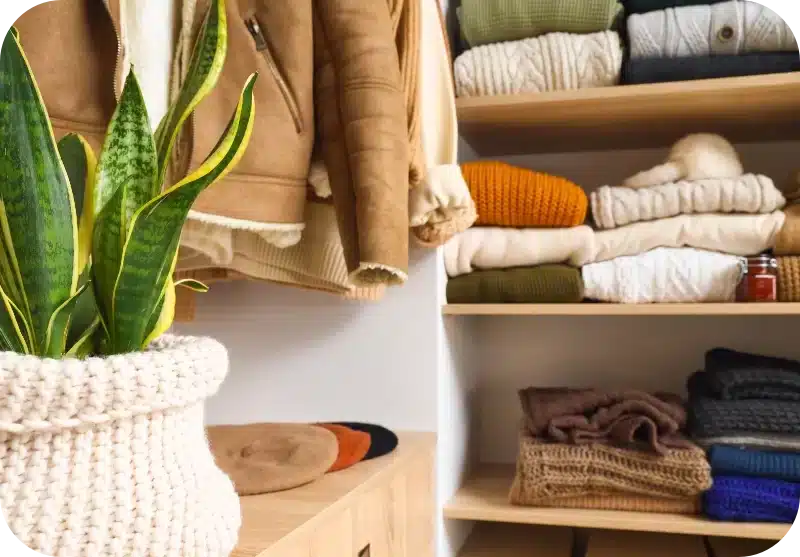
Why do pest control professionals treat closets? Enclosed spaces such as wardrobes and linen cabinets are common harborage areas. If there are signs of activity, including droppings, shed skins, odors, or visible insects, technicians will require access. Ignoring these areas allows infestations to persist.
In one case, activity appeared limited to the kitchen. Inspection identified the linen closet beside the bathroom as the source. The space was warm, dark, and undisturbed. Towels and stored clothing can retain scent trails and conceal eggs. Treatment in these areas is necessary to eliminate the source.
Methods are controlled and targeted. Technicians often use gels or dusts in precise locations rather than broad sprays. Some avoid contact with belongings unless required. Others request cleared shelves before service. Expectations should be confirmed during booking.
Closets are not exempt from treatment. Any enclosed, undisturbed space can support pest activity. Addressing all affected areas during the initial service prevents recurrence.
Why Closets Are Sometimes Included in Pest Control Treatments
Technicians include wardrobe interiors when required. During treatments for crawling insects or fabric pests, enclosed storage cannot be ignored. If these areas are not treated, it is usually due to restricted access or homeowner direction. Otherwise, they are considered part of the service.
Preparation may be required. Clothing or stored items are often moved to allow access and prevent contamination. Missed items can allow infestations to persist. Sealed or undisturbed spaces provide ideal shelter if left untreated.
Scope should be confirmed before service. In homes with limited storage, closets often contain dense, undisturbed materials that support pest activity. These areas must be assessed as part of a complete treatment plan.
For related information, see: can pest control get rid of maggots.
How Pest Control Technicians Decide Whether to Spray Inside Closets
If there are droppings, shed skins, or odors in a wardrobe or storage area, those spaces must be included in treatment. Closets are common points of unnoticed activity. They are dark, enclosed, and undisturbed. These conditions support nesting and concealment. Mice will damage cardboard and fabric. Insects remain in protected areas. Technicians will assess and treat these zones when evidence or reports indicate activity.
Treatment approach varies by condition. Visible activity warrants targeted application. In other cases, treatment is preventative and paired with inspection of entry points such as gaps at baseboards or under doors. Exclusion is as critical as treatment.
Contents influence the method. The presence of sensitive items may require adjusted products, timing, or avoidance of direct contact. Safety considerations are addressed before application.
Closets are also relevant for specific infestations. Fleas can spread from pet bedding into nearby storage. Mice commonly use closets along exterior walls or near food sources. Activity is not limited to basements.
Limitations apply. Situations involving protected or beneficial species require selective methods. Wildlife or non target species may require alternative approaches.
Closet treatment is determined by evidence, location, and contents. Clear reporting of signs such as odours, damage, or debris ensures appropriate action.
Types of Pests That May Require Spraying Inside Closets
Treating storage areas is necessary when there is visible activity. Crawling insects often remain in clothing piles, behind boxes, or within shelving. Enclosed, undisturbed spaces provide suitable conditions for harbourage and reproduction.
Silverfish are commonly found in these environments. They are attracted to moisture and feed on paper, adhesives, and fabrics. Carpet beetles are another concern. Their larvae damage natural fibers such as wool and silk and remain hidden until damage is evident.
German cockroaches may also be present. While associated with kitchens, they follow food residue and scent trails. Stored clothing or bags can introduce them into closets. Ants and bed bugs can spread into storage areas, particularly in multi unit buildings where sources are not always apparent.
Evidence such as droppings, fabric damage, or visible insects indicates active use of the space. These areas require prompt inspection and treatment. Untreated storage spaces allow infestations to expand without detection.
How to Prepare Your Closet Before a Pest Control Visit
Clear the area completely. Wardrobes and linen storage must be empty to allow access to baseboards, corners, and seams. Moving items is not sufficient. Remove all contents from shelves, bins, and hangers.
Store clothing in sealed bags or containers. This prevents contact with treatment products. Targeted applications are used, but avoiding exposure to personal items is standard practice.
Clean the space before service. Wipe surfaces and remove dust or debris. Vacuum edges and corners to expose cracks and potential harbourage areas. Report any signs such as droppings or nesting material so the technician can adjust the treatment plan.
Ensure all doors open fully. Resolve any obstructions or hardware issues in advance. Unrestricted access allows a complete and efficient service.
If preparation requirements are unclear, confirm details before the appointment.
Q&A
Will the technician treat my bedroom closet if I report insects inside?
Yes, if you mention signs of insect activity in the closet—like droppings, live bugs, or damage—the technician will likely include it in the treatment plan. Closets are common hiding spots for moths, silverfish, and roaches due to low traffic and warmth. Be sure to alert the service provider during the inspection.
Should I remove clothes before the visit?
It’s strongly recommended to take clothes, shoes, and personal items out of closets before the visit, especially if a spray application is expected. This prevents any contact between your belongings and the treatment, while also giving the technician clear access to corners, baseboards, and shelving.
What kind of pests usually hide inside closets?
Closets often attract fabric pests like clothes moths and carpet beetles, as well as moisture-loving insects such as silverfish. In apartments or shared homes, roaches can also find their way into closets through wall voids or vents. Closets can serve as quiet shelter for these insects, especially if cluttered.
Is it safe to store items in the closet after spraying?
You should wait until the treated surfaces have fully dried before putting anything back inside. Depending on the product used, drying may take 2 to 6 hours. It’s best to wipe down any shelves or surfaces with a damp cloth after drying, unless the technician advises against it.
Do they always spray inside closets, or only in some cases?
Spraying inside closets isn’t automatic. It depends on the type of infestation, the pest’s habits, and the layout of your space. If the issue is localized in living or kitchen areas, closets may be skipped. However, if activity is suspected in storage zones, they’ll likely be treated.
Pest control spray: get local help
The Pest Control Guy handles pest control spray and related problems across Calgary, Airdrie and the surrounding communities. Licensed technicians, prevention-first treatment and free estimates.
- All Calgary pest control services
- Book an inspection or free estimate
- More pest control advice on the blog
For background on pesticide safety and integrated pest management, see the Government of Canada pest management guide.