
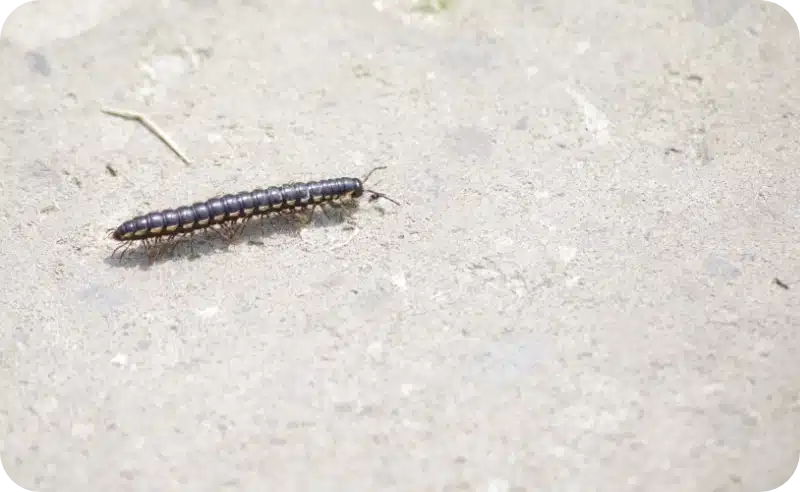
Hiring a licensed exterminator is typically the most reliable way to stop recurring sightings of multi-legged pests. Store-bought sprays or traps may provide short-term relief, but without addressing hidden sources and entry points, the problem often returns. Professionals have access to treatment methods and inspection tools that are not available to most homeowners.
In many cases, the issue is not the severity of the infestation but the conditions that allow pests to persist. Damp basements, cluttered crawlspaces, and foundation cracks can create ideal environments for nesting and activity. Addressing only visible areas is rarely sufficient, as underlying conditions continue to attract pests.
Results can vary based on timing, property type, and the thoroughness of the service. A single visit does not always resolve the issue completely. However, when treatment includes follow-up service and recommendations for moisture control and structural improvements, long-term results are more likely. Effective pest control involves identifying contributing factors and addressing them as part of the process.
Some pest control providers in Calgary offer inspection-based programs that focus on both visible activity and underlying conditions. This approach improves overall effectiveness and reduces the likelihood of recurring issues.
If one is spotted moving across a basement floor, the issue should be addressed rather than ignored. Professional exterminators can manage this effectively, particularly when activity is recurring. Targeted indoor treatments, applied correctly and at appropriate intervals, can reduce sightings within one to two weeks. However, treatment alone is not sufficient.
Long-term control depends on addressing the conditions that allow these pests to thrive. Moisture, darkness, and clutter create ideal environments. Technicians may apply perimeter treatments or treat baseboards and entry points, but results will not last without reducing humidity and sealing structural gaps. A combined approach is necessary for effective control.
Some homeowners are able to manage the issue on their own. Using a dehumidifier, vacuuming regularly, and sealing common entry points can help reduce activity, at least in the short term. However, if multiple pests are appearing each week—especially in areas such as bathrooms or utility rooms—the situation is usually beyond basic DIY control.
In these cases, a local specialist can assess contributing factors and apply treatments suited to Calgary’s building conditions and climate.
One-time treatments can be effective, but not in all cases. A qualified technician will often recommend a follow-up plan to ensure lasting results. This is not unnecessary—it addresses factors such as eggs, hidden harbourage areas, and seasonal changes that can lead to recurring activity.
In many situations, multiple visits are required to fully break the cycle. After that, the focus shifts to maintenance. Preventing re-entry is a different objective from achieving short-term reduction and requires ongoing management.
Indoor areas where centipedes tend to hide include damp basements, behind baseboards, inside closets, and around plumbing fixtures. Inspection typically focuses on these moisture-prone areas, as centipedes prefer humid environments.
Treatment is applied to cracks, crevices, and gaps around windows, doors, and foundation lines to disrupt common harbourage and entry points. Sealing these areas can reduce activity, although targeted chemical treatment is often used to achieve more complete control.
Products suitable for indoor use are applied to areas such as wall voids and beneath flooring where centipedes may remain hidden. Ongoing monitoring is often recommended, particularly in homes with recurring issues.
For persistent or more severe infestations, professional pest control services can provide more comprehensive treatment. Experience and proper inspection allow technicians to identify and treat areas that may be overlooked.
Effective indoor centipede control requires a combination of habitat modification and targeted treatment.
Exterminators typically use a combination of targeted insecticides and habitat modification to manage centipede infestations. Chemical treatments often include residual sprays applied to cracks, crevices, and damp areas where centipedes hide. Dust formulations may also be used in hard-to-reach spaces, as they remain effective over time.
In addition to chemical treatments, some approaches incorporate natural or biological methods. These options may involve using predators or microorganisms to help reduce centipede populations without relying solely on synthetic products.
These approaches often overlap with strategies used for other pests. Integrated methods can help manage multiple issues by addressing common conditions such as moisture, entry points, and shelter.
In many cases, centipede control is part of a broader pest management plan. Technicians may also address rodent or wildlife activity when present, as multiple pest issues often occur at the same time.
If you notice an increasing number of centipedes inside your home, particularly in damp or dark areas, it may indicate a larger issue that requires professional attention. Occasional sightings are not uncommon, but persistent activity often suggests an underlying problem.
It can be difficult to determine whether the issue is isolated or part of a broader infestation. If basic measures such as cleaning and sealing entry points do not reduce activity, professional pest control is recommended. Technicians can assess the situation accurately and apply targeted treatment.
Recurring activity despite preventative efforts usually indicates that hiding areas or food sources remain unaddressed. A thorough inspection can identify these factors and support long-term control.
Centipede activity may also coincide with other pest issues, such as insects or rodents that serve as a food source. In these cases, a comprehensive approach helps address multiple contributing factors.
Early intervention is the most effective strategy. Even when activity appears minimal, professional assessment can prevent the issue from developing further.
How do exterminators approach eliminating centipedes inside a home?
Experts typically begin by inspecting areas where centipedes hide, such as basements, bathrooms, and spaces under sinks. They use targeted sprays and dust treatments around cracks, crevices, and baseboards. Additionally, moisture reduction and sealing entry points are important steps to limit centipede access and survival indoors.
Are chemical treatments the only way to deal with centipedes?
No, chemical methods are often combined with environmental changes. Reducing humidity, removing clutter, fixing leaks, and improving ventilation can discourage centipedes from settling. Non-chemical options include sticky traps and physical removal, though these might not fully resolve larger infestations.
How long does it usually take to see results after starting treatment for centipedes?
Results can vary depending on the extent of the problem. Minor issues may improve within a few days after treatment, while more severe infestations might require multiple visits over several weeks to noticeably decrease the number of centipedes.
Can homeowners prevent centipedes from coming back after treatment?
Yes, maintaining dryness inside the home is key. Repairing leaks, using dehumidifiers, and sealing cracks help limit entry and reduce favorable living conditions. Regular cleaning and minimizing debris around the foundation also help keep these creatures away.
Is it necessary to hire outside help for a centipede issue, or can it be handled independently?
Small, occasional sightings might be managed with over-the-counter products and home maintenance. However, larger or persistent infestations usually require specialized techniques and tools that trained personnel provide, ensuring a more thorough and lasting resolution.
How do professionals address a severe infestation of house centipedes?
Experts typically begin by inspecting the affected areas to identify where these creatures hide and enter the home. Treatment usually involves applying targeted substances in cracks, crevices, and moist environments favored by these arthropods. Additionally, reducing humidity and sealing entry points helps limit their return. Multiple visits might be necessary to manage the situation thoroughly.