
How Professional Pest Control Services Address and Eliminate Flea Infestations
How Professional Pest Control Services Address and Eliminate Flea Infestations
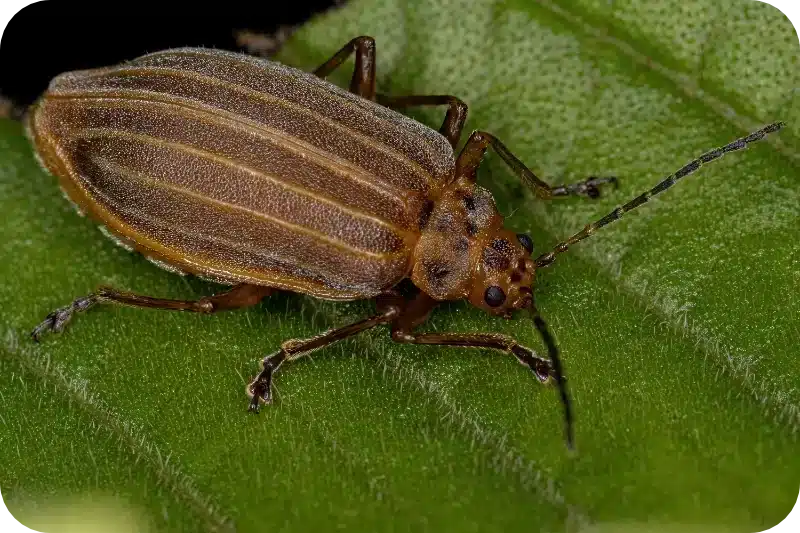
A licensed exterminator can eliminate an active flea infestation. Results are not immediate. Effective control requires proper method and follow up treatments.
Fleas establish beyond pets. They remain in furniture, carpets, floor cracks, and behind baseboards. Surface treatments and store products are often insufficient. Eggs hatch in cycles, which allows activity to return if not addressed fully.
Professional service includes multiple treatments over a defined period. Supporting steps such as vacuuming, laundering bedding, and applying growth regulators are required. These measures disrupt the life cycle and improve results.
Outcome depends on execution. Incomplete treatment or poor preparation delays control. A qualified technician provides clear instructions, outlines timelines, and identifies signs of progress.
With proper treatment and compliance, infestations can be eliminated and prevented. The process requires consistency and follow through before full resolution is achieved.
How Does Targeted Treatment Eliminate Flea Infestations?
A trained specialist can eliminate a flea infestation with the correct approach. Treatment must extend beyond visible areas. Fleas occupy carpets, pet bedding, wall voids, subfloors, and vents. Effective control requires identifying harbourage areas and applying targeted products.
Single treatments are often insufficient. Follow up visits are required to address newly hatched fleas. Control depends on disrupting the life cycle through repeated application and monitoring.
Homeowner preparation is essential. Daily vacuuming removes eggs and larvae. Washing pet bedding reduces reintroduction. Skipping these steps delays results and prolongs activity.
Why DIY efforts Often Fall Short
Store bought sprays provide limited control. Many do not affect eggs. Activity may decrease briefly, then return as new fleas emerge. Some products also interfere with professional treatments when applied beforehand, reducing effectiveness.
Similar patterns occur with other infestations. Rodent activity is often managed with traps until results decline. At that stage, structured treatment or prevention becomes necessary. Flea infestations follow the same progression. Early activity is underestimated, which allows the problem to expand.
Cost-related Questions
Pricing questions are common. Many compare flea treatment to bed bug control. Flea treatment is usually less complex, but cost depends on duration, number of animals, and spread within the property. A proper inspection provides an accurate assessment.
Effective treatment reduces duration and prevents recurrence. With the correct plan, the issue can be resolved efficiently.
Methods Pest Control Services Use to Target Flea Infestations
Effective flea control requires a structured, multi step approach. Treatment begins with a full inspection of all potential harborage areas. This includes baseboards, furniture, pet bedding, and floor cracks. Limiting treatment to visible areas is not sufficient.
Professionals use insect growth regulators to disrupt development. These products prevent eggs and larvae from maturing. Adulticides are applied alongside them to reduce active populations. Results vary by product and stage of infestation. Some activity declines within hours, while full control may take several days. See how long after pest control do bugs die.
Post treatment steps are required. Vacuuming removes eggs and pupae and improves treatment reach. Laundering pet bedding and fabrics on high heat reduces reintroduction. Follow up visits may be necessary when infestations are established.
Timing is critical. Fleas in the pupal stage are resistant to most treatments. Movement from people or pets can trigger emergence after application. This is expected and does not indicate failure. See does pest control get rid of all bugs.
Outdoor exposure can sustain infestations. Properties with pets moving between indoor and outdoor areas may require yard treatment. This is a separate service but necessary in recurring cases.
Treatment varies by property size, layout, and infestation level. Small units require less intervention than larger homes with multiple animals. For comparison with other infestations, see can pest control get rid of carpenter ants or can pest control get rid of maggots.
For a broader overview, see what is pest control.
How Long It Takes for Flea Treatments to Show Noticeable Results
Untreated pets or embedded eggs will extend the timeline. Fleas can remain deep within carpets, floorboards, and concealed areas. Without full coverage, activity continues.
Skipping recommended reapplication delays control. Follow up treatments are required to address newly hatched fleas and break the cycle.
Secondary hosts also impact results. Rodents can carry fleas and reintroduce activity. In these cases, integrated treatment is required. Consider how professionals spray for mice as part of a complete solution.
What Slows Things Down?
Untreated pets or embedded eggs extend the timeline. Fleas persist in carpets, floorboards, and concealed areas. Without full coverage, activity continues.
Skipping recommended reapplication delays control. Follow up treatments are required to address newly hatched fleas and break the cycle.
Secondary hosts increase duration. Rodents can carry fleas and reintroduce activity. In these cases, integrated treatment is required. Consider how professionals spray for mice as part of a complete approach.
When to Follow Up
If there is no improvement after 10 to 14 days, or if activity returns after a brief decline, a second treatment is required. Flea infestations can persist when populations are established.
Reassessment is necessary in these cases. Follow up ensures remaining life stages are addressed and the treatment plan is adjusted as needed.
What to Do at Home Before and After a Professional Flea Treatment
Vacuum all surfaces, including rugs, baseboards, hardwood floors, upholstery, and furniture seams. Dispose of vacuum contents in an outdoor bin immediately. This removes eggs and larvae and improves treatment effectiveness.
Wash pet bedding, blankets, and soft materials on high heat. Items that cannot be washed should be sealed for several weeks to eliminate remaining stages.
Clear all floor areas. Remove toys, shoes, pet dishes, and other obstructions. Ensure access along baseboards and under furniture to allow proper application.
Prepare sensitive items. Cover aquariums and turn off filtration systems. Remove pets from the property during treatment. Reentry timing depends on the product used and must follow technician guidance.
After the Service
Do not vacuum immediately after treatment. Many products leave a residual barrier that remains active for several days. Early vacuuming can reduce effectiveness. Follow the technician’s instructions, as timing depends on the product used.
Short term activity may continue. Newly hatched fleas can appear for several days after application. This does not indicate treatment failure. These fleas will contact treated surfaces and be eliminated.
If activity persists beyond two weeks, reassessment is required. A follow up treatment is common in established infestations.
Extra Steps That Actually Help
Start a vet approved prevention plan for pets immediately. Without it, reinfestation is likely. Consistent prevention interrupts the cycle and supports treatment results.
Maintain clear floor space. This allows monitoring for activity and improves visibility of any recurrence.
For additional context, see what is pest control.
For multi pest situations, see can pest control spray for mice.
Q&A
How soon can I expect to notice fewer fleas after a treatment?
The timeline for seeing a reduction in flea activity varies depending on the type of treatment used and the severity of the infestation. Some treatments begin to affect fleas within a few hours, but significant improvement often takes several days. Residual effects from certain sprays or powders can continue working for weeks, targeting newly hatched fleas. It’s common to still see some fleas shortly after treatment since eggs and larvae may remain hidden, requiring time to be eliminated as they develop.
Is it necessary to treat my home if I only treat my pets for fleas?
Treating pets alone usually isn’t enough to eliminate fleas entirely. Fleas live not only on animals but also in carpets, furniture, bedding, and other areas inside the home. Eggs and larvae can hide in these places and hatch later, causing re-infestation. Addressing both pets and their environment helps break the flea life cycle, reducing chances of a recurring problem. Cleaning and treating living spaces alongside pet treatments typically leads to better results.
What methods are commonly used to manage fleas during a professional visit?
During a treatment visit, various methods can be used depending on the situation. These might include applying insecticides that target adult fleas and prevent eggs from hatching, using growth regulators that disrupt flea development, and recommending thorough vacuuming or laundering of household fabrics. Some treatments combine sprays with foggers or powders to reach hidden areas. Technicians often assess the environment to determine the best approach tailored to the infestation level and living conditions.
Can flea problems come back after treatment, and what can I do to prevent that?
Fleas may return if any part of their life cycle isn’t fully interrupted. Eggs and larvae remaining in the environment can develop into adults later, leading to a new infestation. To reduce this risk, maintaining a regular cleaning routine, washing pet bedding frequently, and following any treatment instructions carefully are helpful steps. Using preventive measures on pets, like topical applications or collars designed to repel fleas, can also keep numbers low and avoid future outbreaks.
Pest control: get local help
The Pest Control Guy handles pest control and related problems across Calgary, Airdrie and the surrounding communities. Licensed technicians, prevention-first treatment and free estimates.
- All Calgary pest control services
- Book an inspection or free estimate
- More pest control advice on the blog
For background on pesticide safety and integrated pest management, see the Government of Canada pest management guide.