
Do Ultrasonic Pest Repellers Really Work on Rodents and Insects?
Do Ultrasonic Pest Repellers Really Work on Rodents and Insects?
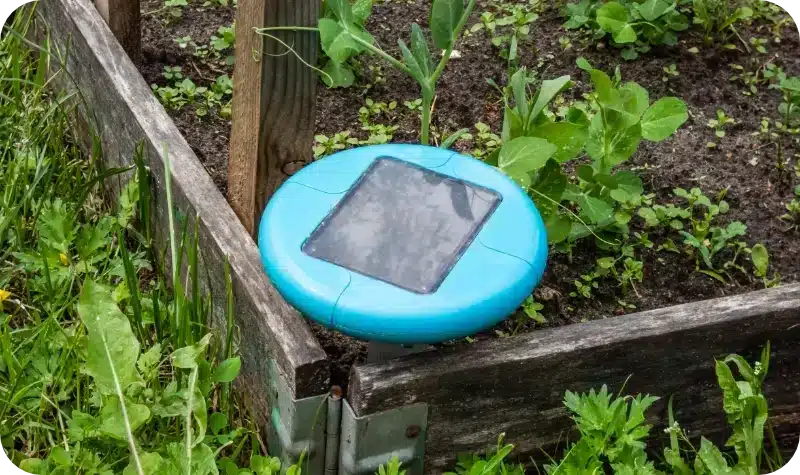
Do not rely on plug-in devices to solve pest problems. Ultrasonic pest repellers claim to drive away insects and rodents using high-frequency sound, but results remain inconsistent. Many devices fail to stop activity, even after continuous use.
Testing shows limited effectiveness. Rodents often continue using the same areas despite the presence of ultrasonic devices. Food sources, shelter, and warmth override any disturbance created by sound.
User reports vary. Some observe reduced activity for a short period, while others see no change. Research does not provide consistent evidence that these devices produce reliable results.
Ultrasonic devices may cause temporary disruption but do not eliminate infestations. Long-term control requires addressing entry points, food sources, and shelter conditions.
Effective pest management focuses on exclusion and sanitation. Seal structural gaps, remove food sources, and improve storage practices. These measures resolve the underlying problem rather than masking it.
Do Ultrasonic Repellers Really Work?
Avoid relying on gadgets as a quick fix. Ultrasonic pest repellers for home and commercial use produce mixed results. Some users report minor reductions in activity, while others notice no change.
User experience remains inconsistent. Some observe fewer sightings after installation, while others see no measurable difference. These devices rarely provide complete control on their own.
Field experience in Calgary shows that relying solely on ultrasonic methods leaves gaps in treatment, especially with persistent infestations. Effective control requires a structured approach that addresses entry points, food sources, and nesting areas.
For accurate pricing and treatment options, including mouse control, consult a licensed professional for a targeted plan.
Why Complementary Measures Are Often Necessary
Devices that emit high-frequency signals may support a broader pest control approach but do not replace direct treatment methods. These devices alone do not eliminate infestations.
Effective pest control requires inspection, sanitation, and targeted treatment. Combining these steps with supplemental tools produces more reliable results than relying on sound-based devices alone.
A structured approach addresses the source of the problem rather than attempting to deter activity without resolving underlying conditions.
Safe Use Around Family and Pets
One advantage of ultrasonic pest repellers is that they generally pose minimal risk to children and pets, which aligns with family-safe pest control practices. They offer a non-chemical option that can complement a broader pest control plan.
However, these devices should not be relied on as a standalone solution. They may provide limited support, but effective control still requires proper inspection, sanitation, and targeted treatment methods.
How Ultrasonic Devices Repel Pests
These devices produce high-frequency sound waves, typically above the range of human hearing, intended to disrupt the nervous systems of small animals. The goal is to irritate or disorient rodents, insects, or other pests and encourage them to leave the area.
Most units emit continuous or pulsed signals that vary in frequency to reduce the chance of habituation. Some models use a fixed frequency, which may become less effective over time as pests adapt.
Responses vary by species. Certain animals, such as voles, may be more sensitive to these high-frequency sounds. While these devices may provide limited support in some situations, results remain inconsistent and should not be relied on as a primary control method.
Sound Characteristics and How They Affect Pests
The signals are typically ultrasonic, meaning they operate above 20,000 cycles per second. These rapid vibrations are intended to create an uncomfortable environment for targeted animals without affecting most humans or pets.
Some devices attempt to mimic natural distress signals, while others emit steady tones designed to trigger avoidance behaviour.
Practical Considerations for Using Ultrasonic Repellers
Placement and environment play a significant role. Sound waves do not travel effectively through walls or furniture, so devices should be placed in open areas or near known entry points. Varying sound patterns may also help reduce the chance of pests becoming accustomed to the noise.
Although this approach offers a chemical-free option, it should be combined with other methods for more reliable results. Effectiveness remains inconsistent, and outcomes may vary between individual situations.
Which Pests Respond to Ultrasonic Repellers and Why
Small rodents such as mice and voles may respond to high-frequency sound devices, as their hearing ranges are sensitive to those frequencies. Some insects, including mosquitoes and cockroaches, may also be affected, but results vary depending on species and environmental conditions. Responses are inconsistent, and some pests may adapt to the sound over time.
Rodents rely heavily on auditory cues for communication and navigation, so these signals can disrupt normal behaviour. Many insects depend more on other sensory inputs, which may explain the inconsistent response. Larger animals, or those with different hearing ranges, typically show little to no reaction to these devices.
Why Some Species Are More Sensitive
Effectiveness depends on how closely the emitted frequencies match the hearing range of the target animal. For example, mice can detect ultrasonic waves within the range these devices produce, which may cause temporary discomfort or disruption.
However, this response is not consistent. Some rodents adapt quickly, which reduces effectiveness over time and limits reliability as a long-term deterrent.
Getting the Most Out of Ultrasonic Repellers
These devices may provide temporary relief, but they do not replace proven pest control methods. If you are dealing with an active infestation, consider professional treatment or review guidance on whether you can call pest control for your apartment.
A combined approach is more effective than relying on sound-based devices alone.
Real User Experiences: Results and Limitations in Real Homes
Many homeowners who try these devices report mixed results. Some notice a temporary reduction in pests such as rodents or insects, while others see little to no change after weeks or months. Effectiveness varies depending on the environment and the type of pest.
Some users report that smaller animals, such as mice, initially avoid treated areas but later adapt or relocate to unaffected spaces. This aligns with observations from residential pest control, where long-term results depend on exclusion and habitat modification.
Effectiveness also depends on continuous operation and proper placement, which can be difficult in cluttered or multi-room homes. Some users report reduced performance over time or insufficient coverage in larger spaces.
Certain species, including voles and more resilient insects, show little response. In these cases, more targeted treatment methods are typically required.
These devices may reduce nuisance activity but rarely eliminate infestations. Professional treatment is often necessary, along with sealing entry points and using appropriate control methods.
Practical Challenges in Everyday Use
Real-world conditions present challenges that controlled tests do not. Walls, furniture, and background noise can interfere with how far the signal travels. Some users also report that the sound is faintly noticeable or irritating to pets, although evidence remains inconclusive.
These devices may provide limited support as part of a broader pest control strategy, but they are not sufficient on their own. For persistent problems, professional assessment and targeted treatment provide more reliable results.
FAQ
How do ultrasonic devices actually influence rodents and insects in a typical home environment?
Ultrasonic devices emit high-frequency sound waves that are intended to irritate certain small animals, such as rodents and insects, causing them to avoid the area. However, these sounds are often barely audible or completely inaudible to humans. In practice, the impact varies widely depending on the species, the layout of the home, and how well the sound can travel around obstacles like walls and furniture. Some rodents might temporarily move away, but many tend to get used to the noise over time and return.
Are there any safety concerns for pets or children when using high-frequency sound emitters indoors?
Generally, ultrasonic emitters are designed to produce sounds above the hearing range of humans and many common pets like dogs and cats. However, animals such as hamsters, gerbils, guinea pigs, and some birds have hearing ranges that overlap with these frequencies and could become stressed or disturbed. It’s advisable to observe pets closely when starting use and discontinue if any behavioral changes or distress are noticed. For children, there are typically no direct effects, but devices should be placed safely to avoid electrical hazards.
Why do some people report no noticeable change in pest activity after installing these sound-based devices?
The limited success reported by many users is often linked to the way sound waves behave in indoor spaces. High-frequency waves don’t pass easily through solid objects like walls, cabinets, or furniture, creating shadowed zones where pests can remain unaffected. Moreover, certain species may simply ignore or adapt to the persistent noise. Device placement and coverage area play a big role—if the ultrasonic signals don’t reach the pests’ nesting or feeding areas, the impact will be minimal.
Is it possible to combine ultrasonic emitters with other pest management techniques for better results?
Yes, pairing sound-based devices with additional strategies like sealing entry points, maintaining cleanliness, and using traps or bait stations can improve overall pest management. While ultrasonic devices alone may not fully resolve an infestation, they can act as a supplementary deterrent. Integrating multiple methods increases the chances of reducing the presence of unwanted animals and insects in a home.
Ultrasonic pest repellers really: get local help
The Pest Control Guy handles ultrasonic pest repellers really and related problems across Calgary, Airdrie and the surrounding communities. Licensed technicians, prevention-first treatment and free estimates.
- All Calgary pest control services
- Book an inspection or free estimate
- More pest control advice on the blog
For background on pesticide safety and integrated pest management, see the Government of Canada pest management guide.