
Can Pest Control Spray for Flies Effectively?
How Fly Sprays Used in Pest Control Work and What Results You Can Expect
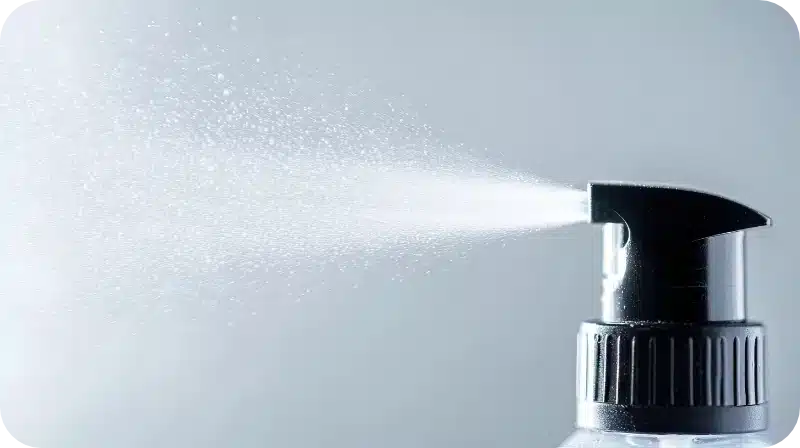
Apply fly control spray at entry points such as window frames, vents, and garbage bins. Targeted application reduces indoor and outdoor fly activity. Products containing pyrethroids or imidacloprid act quickly and remain active on treated surfaces long enough to interrupt breeding.
Use lower-toxicity products in kitchens or pet areas. Botanical compounds containing lemongrass or clove oil reduce fly activity in sensitive areas. These products repel insects more than they eliminate infestations and require proper sanitation to remain effective.
Avoid random spraying. Effective control requires identifying entry points, resting areas, and breeding sources. Inspect fruit, drains, waste containers, and other organic material that attracts flies. Experience allows technicians to identify these sources quickly.
Repeated fly activity often indicates a hidden breeding source. Common causes include compost bins, animal remains in attics, or overlooked organic waste. Surface treatment alone will not resolve these problems.
Long-term control requires sanitation and exclusion. Seal structural gaps, improve waste storage, and remove standing water near appliances or baseboards. Eliminating breeding conditions prevents flies from returning.
Targeted Fly Treatments: What Works and When to Use Them
Apply insecticide treatments when sanitation and exclusion do not resolve fly activity. Technicians target areas where flies gather, including windows, garbage bins, and drains. Treatment varies by species because houseflies, drain flies, and cluster flies respond differently to active ingredients.
Indoor treatment often begins with aerosol applications containing pyrethrins for rapid knockdown. Technicians then apply residual micro-encapsulated insecticide along baseboards, behind appliances, and in other hiding areas. Outdoor treatment focuses on shaded walls, refuse zones, entry gaps, and compost areas when present. Organic products exist but require more frequent application and produce less consistent results.
Coordinate treatment when rodent activity is present. Rodent nesting sites or carcasses can attract flies and increase infestation pressure. Addressing both issues prevents continued breeding.
Fly activity increases during warmer months but can also occur in winter. Indoor infestations often develop in attics, wall voids, or waste areas where temperatures remain stable.
Rental properties and multi-unit buildings may require scheduled pest management. Health regulations sometimes require proactive treatment to prevent recurring infestations.
| Fly Type | Preferred Approach | Typical Areas Treated |
| Housefly | Quick knockdown with residual barrier | Windowsills, kitchens, trash bins |
| Cluster | Void treatments + attic fogging | Attics, upper floors, ceiling fixtures |
| Drain | Enzyme cleaners + crack applications | Sinks, floor drains, basements |
Some infestations resolve with a single treatment visit. Others require follow-up service when outdoor breeding sources remain active. The outcome depends on infestation size and environmental conditions. An experienced technician can often determine during the initial inspection whether additional treatment will be required.
Fly Sprays Used by Professional Pest Control
Avoid relying on hardware store products for recurring infestations. Licensed technicians apply residual insecticides designed to adhere to surfaces such as baseboards, window frames, and garbage areas. These products often contain synthetic pyrethroids in microencapsulated form. Slow release extends activity and provides longer control. Technicians adjust treatment based on insect species and building layout.
Ultra-low-volume fogging is used in high-traffic or sensitive environments such as restaurants. This method disperses a fine mist of insecticide that eliminates adult flies on contact. Fogging leaves little residue and is often combined with traps or surface treatments. Technicians reserve this approach for severe outbreaks.
Outdoor infestations require barrier applications. Technicians apply liquid insecticides along entry points, soffits, and fence lines to reduce migration indoors. Active ingredients are rotated to reduce resistance and maintain effectiveness.
Targeted baiting may also be used for certain species such as cluster flies or drain flies. This method is effective in confined areas such as utility rooms or compost zones. Correct placement and application determine treatment success more than product selection.
Applying Fly Sprays Indoors and Outdoors: Licensed Exterminators’ Methods
For indoor infestations, technicians begin with targeted perimeter treatments. Common areas include baseboards, window and door entry points, and high-traffic zones. Residual formulations adhere to surfaces and remain active for several weeks. Indoor treatments often last about 30 days, though humidity and surface conditions may shorten effectiveness.
Treatment in kitchens and food preparation areas requires stricter control. Technicians avoid open spraying and instead use crack-and-crevice injectors or gel applications. These methods prevent contamination of preparation surfaces. All indoor products must meet regulatory approval and carry labels for residential or commercial use.
Outdoor Application Techniques
Outdoor treatment covers larger areas but follows a targeted plan. Technicians treat exterior walls, soffits, garbage bins, and spaces under decks where insects rest or breed. Thermal fogging or ultra-low-volume misting may be used to reach dense vegetation or concealed nesting areas. These methods provide rapid knockdown and are often combined with longer-lasting barrier treatments.
Timing affects treatment performance. Early morning or late evening applications produce better results because insect activity is lower and temperatures are cooler. Weather conditions also influence effectiveness. Rain or heavy moisture can reduce treatment performance, so technicians review forecasts before application.
Shared residential properties may require coordinated pest management. Building management or condominium boards often arrange exterior pest control service for common areas.
Integrated Fly Control Solutions and Safety Measures
Technicians often combine treatments with traps or light attractants, especially in garages and sunrooms. This approach reduces reliance on chemical products alone. Safety procedures remain essential. Pets must remain outside treated areas until surfaces dry. Ventilation may be used briefly to clear enclosed rooms after application.
Coordinating treatments may also improve results when multiple pests are present. Fly infestations sometimes occur alongside rodent activity, and addressing both issues can reduce long-term costs.
Selecting experienced pest control technicians improves treatment outcomes. Professionals use regulated products and adjust treatment based on the structure and infestation conditions. Effective pest management focuses on eliminating current insects and preventing future infestations.
What to Expect After a Fly Spray Treatment and When to Reapply
Expect a visible reduction in flying insects within a few hours after treatment. In many cases, activity declines significantly by the next day when breeding areas such as drains, baseboards, or light fixtures receive direct treatment. Hidden eggs or late-stage larvae may still hatch during the following days depending on the product used and building conditions.
Indoor treatments often remain effective for about 30 days. Moisture and food residue in kitchens or garbage areas may shorten this period. Outdoor treatments break down faster due to rain, irrigation, and sunlight. Additional treatment may be required after two weeks in areas near compost bins, pet runs, or patios.
General treatment intervals include:
- Indoors: every four to six weeks unless activity returns sooner.
- Outdoors: every two to three weeks or after heavy rainfall.
Residual Effects of Fly Sprays: What Lingers and What Doesn’t
A mild odor may remain for several hours after treatment, especially with oil-based formulations. Ventilation helps disperse the scent. Avoid cleaning treated surfaces immediately after application. Do not mop or wipe these areas because the residue must remain to control insects. Bait stations or traps should remain in place until technicians inspect or replace them. Early removal reduces treatment effectiveness.
Fruit-attracting insects require additional sanitation. Remove ripe produce, empty organic waste containers frequently, and clean recycling bins thoroughly. Without proper sanitation, insect activity will return. Long-term control depends on both treatment and consistent maintenance.
Deciding on a Follow-Up Fly Treatment
If insect activity returns within one or two weeks, schedule another treatment. A follow-up may involve changing products or targeting missed entry points. Inspect window screens, door gaps, and ventilation openings. Multiple treatment steps are sometimes required to eliminate the infestation.
Consult a professional pest control technician if activity continues. Proper inspection helps identify overlooked breeding areas and prevents repeated outbreaks.
Rodent activity can also increase insect presence. Rodents attract scavenger insects, which then draw additional flying pests. Addressing both problems helps break the cycle and improves long-term control.
FAQ
How long does a pest control spray treatment for flies usually last?
The duration of protection from a fly spray treatment depends on several factors, such as the type of product used, environmental conditions, and the level of infestation. Generally, treatments can remain active for about two to four weeks. However, outdoor exposure to sunlight, rain, and wind can reduce this time. Indoor applications tend to last longer due to less environmental wear. Regular inspection is recommended to determine if another treatment is needed.
Is it safe to use pest control sprays around pets and children?
Many pest control sprays contain chemicals that can be harmful if inhaled or ingested by pets or children. It’s important to follow the instructions on the label carefully. Typically, treated areas should be kept off-limits until the spray dries completely, which can take a few hours. Some products are specifically formulated to be safer for homes with pets and kids, but consulting the product details or a specialist before application is advisable to prevent any health risks.
Can fly sprays be used both indoors and outdoors effectively?
Yes, fly sprays designed for pest control often have formulations suitable for indoor and outdoor use, but application methods differ. Indoor sprays usually focus on surfaces where flies rest, like walls and window sills, while outdoor sprays may target entry points and breeding sites such as garbage areas and patios. Outdoor treatments might require more frequent reapplication due to weather exposure. Always check the product guidelines to confirm the recommended usage areas.
How soon after treatment can I expect to see a reduction in the fly population?
Fly activity typically decreases within hours after applying a pest control spray, as the product works to kill adult flies on contact or shortly after exposure. However, depending on the severity of the infestation and presence of breeding sites, it might take a few days for the overall numbers to drop noticeably. For persistent problems, combining spray treatment with sanitation measures helps achieve faster results.
What factors influence how often fly spray needs to be reapplied?
Reapplication frequency depends on the product’s residual effect, environmental conditions, and fly pressure. High temperatures, rain, or strong winds can reduce the spray’s longevity outdoors, leading to more frequent treatments. Indoors, activities like cleaning or heavy foot traffic may remove residues. Also, if breeding grounds such as trash or organic waste are not addressed, flies may return sooner. Monitoring
Pest control spray: get local help
The Pest Control Guy handles pest control spray and related problems across Calgary, Airdrie and the surrounding communities. Licensed technicians, prevention-first treatment and free estimates.
- All Calgary pest control services
- Book an inspection or free estimate
- More pest control advice on the blog
For background on pesticide safety and integrated pest management, see the Government of Canada pest management guide.