
Can Pest Control Services Legally and Safely Remove Raccoons from Your Property
Can Pest Control Services Legally and Safely Remove Raccoons from Your Property
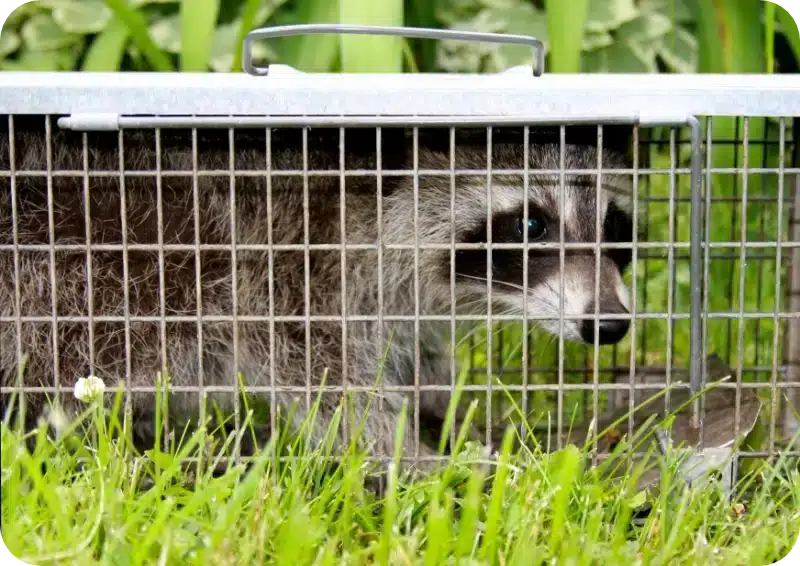
If a raccoon has begun accessing garbage containers or nesting within an attic, professional removal may be required. Urban wildlife can be persistent and difficult to deter once established. Engaging a licensed technician helps ensure that the problem is addressed before it develops into a larger infestation, particularly when the animal has already entered the structure.
Temporary deterrents purchased from retail stores often produce limited results. Repellent sprays or scent based products may discourage activity briefly but rarely prevent return. Effective control requires identifying how the animal entered and ensuring that access points are secured. Professional wildlife removal services typically include inspection of entry points, installation of humane one way doors, and safe relocation procedures where permitted.
Successful removal also depends on exclusion work. If openings remain accessible, animals may return to the same location or move to nearby structures. For this reason, professional services usually include sealing structural gaps, reinforcing vents, and providing guidance on waste management or food storage that may attract wildlife.
No method guarantees permanent prevention in every situation. However, a structured approach that combines removal, exclusion, and preventive measures significantly reduces the likelihood of continued activity.
Does Pest Control Get Rid of Raccoons?
Hiring a pest control company that specializes in raccoon removal is often necessary when animals have entered an attic or garage. Hardware store traps may appear to be a quick solution, but raccoons are intelligent, territorial, and persistent. Effective removal typically requires a technician who understands local regulations, nesting behavior, and proper exclusion methods to prevent re entry. Without these measures, the animals may return within a short period of time.
Wildlife removal differs from standard rodent control. Services designed for mice or other small pests are not intended to manage larger wildlife such as raccoons, particularly when a mother and young are present. Proper removal requires training in humane eviction techniques, structural inspection, installation of one way doors, sealing of entry points, and follow up monitoring.
It is also important to recognize that not every company offering pest control services is licensed to handle larger wildlife. Rodent and insect management often relies on monitoring devices or bait stations, while raccoon removal typically involves direct access to rooflines, vents, and other exterior structural areas.
If thumping sounds are heard in the attic or damage appears around shingles or vents, contacting a qualified wildlife specialist is advisable. Delaying intervention can allow animals to cause further damage to insulation, wiring, and structural components before the issue is resolved.
Methods Pest Control Technicians Use to Capture and Relocate Raccoons
The most effective way to prevent damage and noise caused by raccoons is usually physical removal. Professionals often use live traps, which are metal cages equipped with one way entry systems. These traps are typically baited with items such as marshmallows, fruit, or pet food. While the concept is simple, successful trapping depends on proper technique and experience. Raccoons are highly intelligent and may avoid poorly placed traps or those contaminated with strong human scent.
Trap placement is equally important. Technicians commonly position traps along known travel routes, including areas near den sites, fence lines, or attic access points. In some situations, motion cameras are used to confirm that the animal is actively using a particular route before traps are set. Accurate identification is also necessary, as noises within a structure may be caused by different animals. What appears to be raccoon activity may in some cases be the result of squirrels or other wildlife. Professional assessment helps ensure that the correct removal method is used.
Relocation Isn’t Just About Letting Them Go
Once an animal is trapped, the next step is transport. This process is not as simple as relocating the animal to a distant wooded area and releasing it. In Alberta, wildlife relocation regulations are strict, and animals generally must be released within a limited distance from the capture location. These rules exist to balance nuisance removal with the need to prevent ecological disruption in other areas.
Before relocation occurs, technicians typically check for the presence of juveniles. If a female raccoon is captured, there is a strong possibility that young animals are located nearby. Removing the adult without addressing the offspring may create additional problems and welfare concerns. Wildlife specialists often locate the young and temporarily contain them so the family can be reunited prior to release.
This process requires careful handling, knowledge of wildlife behavior, and compliance with local regulations. For this reason, it is not a procedure that most property owners are equipped to manage safely on their own.
Why Professionals Matter
Homeowners attempting to trap raccoons on their own often underestimate how cautious and strong these animals can be. Even a minor mistake during handling may result in injury to the person involved or to the animal itself. Professional services bring the appropriate equipment, training, and understanding of wildlife behavior required to perform removal in a humane and legally compliant manner.
Wildlife management involves more than simply capturing and removing an animal. Effective control requires preventing re entry, protecting the property, and ensuring that the process does not cause unnecessary harm or violate local regulations. For property owners seeking to maintain a pest free home, assistance from trained wildlife professionals can reduce risk, save time, and provide a more reliable outcome.
Legal Requirements and Permits Involved in Handling Raccoons
Always review provincial regulations before attempting to handle wildlife. In Alberta, trapping and relocating a wild animal without proper authorization is not permitted. These regulations may appear strict, but they exist for valid reasons. Relocating certain species, including raccoons, without approval can result in fines or legal consequences. Wildlife legislation is designed to protect both people and animals, even when those animals have become unwanted visitors.
When working with a licensed wildlife removal service, permits and required documentation are typically handled by the service provider. Some homeowners assume they can manage the situation independently by placing a cage trap and relocating the animal to a rural area. In most cases, this approach is not compliant with local regulations. A nuisance wildlife permit may be required, and the process can vary depending on the species involved and the circumstances of the capture.
Certain jurisdictions also restrict where and how far captured animals may be released. These limitations are intended to prevent ecological disruption and reduce the spread of diseases such as rabies. For these reasons, wildlife removal is generally best managed by trained professionals who understand the legal and environmental requirements involved.
Hiring a Licensed Technician Makes a Difference
Raccoon removal is often more complex than property owners expect. These animals are not only intelligent but are also subject to specific wildlife regulations. A certified technician does not simply arrive with a trap. The process typically includes evaluating potential risks, following applicable legal procedures, and documenting the removal in accordance with regulatory requirements.
Proper handling also provides additional protection for the property owner. If damage occurs or the animal returns, having the situation managed through a licensed service can support warranty coverage or assist with insurance claims where applicable.
Permits vs Home Coverage
Property owners sometimes ask whether their home protection plans help cover the costs associated with legal wildlife removal. This is a reasonable consideration, as coverage may vary depending on the terms of the agreement and the type of service required. Reviewing the details of a policy can clarify whether pest or wildlife control services are included.
Compliance with legal requirements should not be viewed as unnecessary bureaucracy. Wildlife regulations are part of the removal process, and ignoring them can create legal or safety risks. Following the proper procedures helps ensure that the situation is handled responsibly and in accordance with local laws.
Steps Homeowners Can Take to Prevent Raccoon Entry Before Professional Help
StBegin by sealing any visible access points around the home. Inspect vents, chimneys, attic openings, and gaps along siding or rooflines. Even small openings can serve as entry points for raccoons and other wildlife.
Reducing attractants is equally important. Secure garbage containers with tightly fitted lids and remove accessible food sources. Simple measures such as these can discourage animals searching for an easy food supply.
Additional preventive measures include:
- Inspecting and repairing damaged window and door screens.
- Trimming tree branches that extend close to the roof to limit climbing access.
- Removing pet food dishes or bird feeders from outdoor areas during nighttime hours.
Routine maintenance is also important. Address loose shingles, damaged soffits, or openings around pipes and utility lines entering the structure. Small structural repairs can significantly reduce the likelihood of wildlife entering the home.
Using Barriers and Deterrents
Installing wire mesh or hardware cloth around vents and crawl spaces can help prevent wildlife from entering the structure. These barriers should be secured firmly and inspected regularly for damage. Caution is required, however. If animals are already inside the structure, sealing exits without proper removal procedures may trap them indoors and create additional problems.
Some property owners attempt to use repellents or noise producing devices to deter wildlife. The effectiveness of these methods varies and often provides only temporary results. When wildlife activity persists, proper inspection and removal procedures are typically required to resolve the issue effectively.
When to Call for Assistance
It is often advisable to consult professionals before attempting extensive sealing or deterrent measures. Trained technicians can assess the situation and provide guidance on safety considerations, including avoiding exposure to wildlife related diseases and understanding how long certain treatments or deterrents remain effective.
Preventive measures are an important first step. However, in some situations wildlife activity may continue despite reasonable efforts. When this occurs, professional intervention may be necessary to resolve the issue safely and effectively.
Q&A
How do pest control companies handle raccoon removal safely?
Licensed pest control experts typically use humane trapping methods to catch raccoons. They place cage traps in areas where raccoons are active, bait them with food, and monitor regularly. After capturing the animal, they relocate it far from residential zones to prevent return. This approach minimizes harm to both the raccoon and property. Additionally, technicians inspect for entry points and advise on sealing these areas to stop further intrusion.
Can homeowners prevent raccoons from entering their attics or basements on their own?
Yes, property owners can take practical steps such as securing garbage bins with tight-fitting lids, removing food sources like pet food outside, trimming tree branches that provide access to the roof, and sealing any holes or gaps in walls, vents, and chimneys. Installing chimney caps and repairing damaged screens also helps. These measures reduce the chances of raccoons finding easy access points to the home.
What risks are associated with raccoons living in or near a house?
Raccoons may carry diseases that can spread to humans and pets, such as rabies or parasites like roundworms. Their presence in attics or crawl spaces can cause significant structural damage through chewing on wiring, insulation, and wood. The noise from their activity can disrupt sleep and daily life. Accumulated waste and droppings also create unpleasant odors and potential health hazards.
How long does it usually take for a pest control team to fully remove raccoons from a property?
The duration varies depending on the size of the raccoon population and the extent of access points. In many cases, the initial capture and removal may take several days to a week. Afterward, professionals typically recommend repairing entryways and possibly setting up preventive devices to ensure raccoons do not return. Follow-up visits might be scheduled to monitor the situation and confirm the animals have been permanently excluded.
Remove raccoons: get local help
The Pest Control Guy handles remove raccoons and related problems across Calgary, Airdrie and the surrounding communities. Licensed technicians, prevention-first treatment and free estimates.
- All Calgary pest control services
- Book an inspection or free estimate
- More pest control advice on the blog
For background on pesticide safety and integrated pest management, see the Government of Canada pest management guide.