
Can Pest Control Get Rid of Drain Flies? Removal Guide
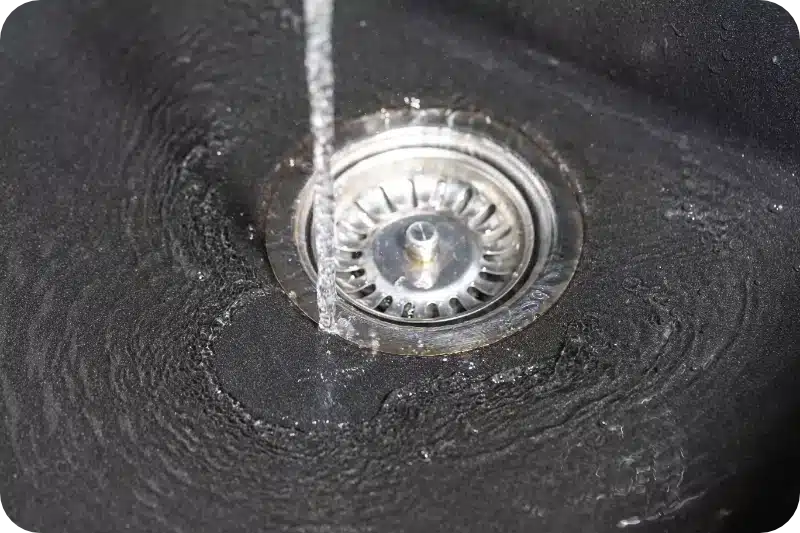
Hiring a local exterminator is the most practical step if you cannot get rid of flies near your shower or kitchen drain, not matter your efforts. It is not overkill, it is a smart move when home remedies fail or the situation escalates.
You may think putting baking soda or vinegar down your pipe would suffice. It works occasionally, maybe for a week, and they return. The problem is deeper down your pipes, as you need to exterminate the source of the problem, not only surface level. This is when external assistance is recommended.
Professional technicians approach these infestations differently. You do not simply spray a few pests and expect a drastic result. They thoroughly inspect for organic build-up, check for moisture issues, and identify areas which encourages the cycle. They identify the source by knowing where to look, areas you would not think check.
It may feel like a minor nuisance at first. However, when they multiply, especially in warmer months, the problem escalates rapidly. Once their source becomes established, DIY applications only delay the problem, rather than implement a permanent solution.
If you have attempted clearing the trap, scrubbing down your sink, running hot water regularly, and you still notice flies, we advice you to consider a more thorough approach. Not all infestations resolve with surface-level fixes.
Q&A
How do specialists treat an infestation of sewer gnats inside a home?
Treatment begins with identifying and cleaning breeding sites, typically inside drains, garbage disposals, or areas with standing water. After thorough cleaning, professionals apply biological drain treatments or targeted sprays designed for damp environments. These approaches encourages insect extermination in both adult and larval stages. Ongoing sanitation is important for long-term results.
Is one visit from a specialist enough to clear up the issue completely?
In most cases, no. These insects lay eggs in organic buildup inside pipes, and if this material isn’t removed, they can reappear even after spraying. Most services involve follow-up inspections and repeated applications, especially in homes with recurring moisture or plumbing issues.
What can I do before a technician arrives to improve the results?
You can clean all visible parts of sinks and drains using a stiff brush and hot water mixed with baking soda or vinegar. Avoid using bleach, as it doesn’t always remove the buildup where larvae thrive. Also, avoid running water for a few hours before the appointment so the breeding areas remain visible to the technician.
Can these insects come back after treatment?
Yes, if moisture and organic buildup return, so can the insects. Keeping drains clean and dry when not in use, fixing plumbing leaks, and occasionally using enzyme-based cleaners prevents new colonies from forming. Do not rely solely on treatment, as consistent maintenance is highly effective.
Do natural solutions work as well as professional help?
Natural solutions like vinegar traps or boiling water may reduce adult numbers temporarily, but they rarely address the root cause, an organic sludge inside drains. Professionals are equipped with tools and products designed to clean deep inside pipe systems, which proves to be advantageous in thoroughly dealing with the problem.
How can you help identify the breeding source?
Record which room has flies, which fixtures are nearby and when the insects are most noticeable. A clear photograph helps distinguish drain flies from other small flies. Do not assume that the closest drain is the source; an unused fixture, leak or damp organic material may need inspection as well.
Tell the technician about slow drainage, recurring odours, recent plumbing work and cleaning products already used. Pest treatment and plumbing repair are different jobs. If a leak or drainage defect is suspected, ask whether a plumber needs to investigate before another pest-control product is applied.
What should you avoid while investigating drain flies?
Do not mix drain cleaners, bleach, pesticides or other household chemicals. Follow the directions for any cleaning product, and avoid placing a pesticide in a drain unless its label permits that use. Killing adult flies does not establish that the breeding material has been removed.
After source correction, keep notes on where flies remain and whether new insects continue appearing. Ask the provider what observation period and signs will guide the next step. A return visit should investigate persistent activity, rather than automatically repeating the same spray without checking the source.
What belongs in the estimate?
Ask whether the quote includes identification, inspection of likely breeding areas, source-removal work and follow-up. Confirm any limits on plumbing access or cleaning. If a separate repair is needed, ask which company is responsible for it and what should be completed before pest-control work resumes.
Photograph newly seen flies before cleaning so the provider can confirm identification. If activity shifts to a different room or fixture, report that change before arranging another treatment.
For drain-fly identification and breeding-site control, see University of Maryland: drain flies and Penn State: fly identification and management.