
Moth extermination in Calgary for homes and businesses
By the time you see moths, eggs and larvae are often already hidden in food, clothing or rugs. We identify the type, remove the source and set up prevention.
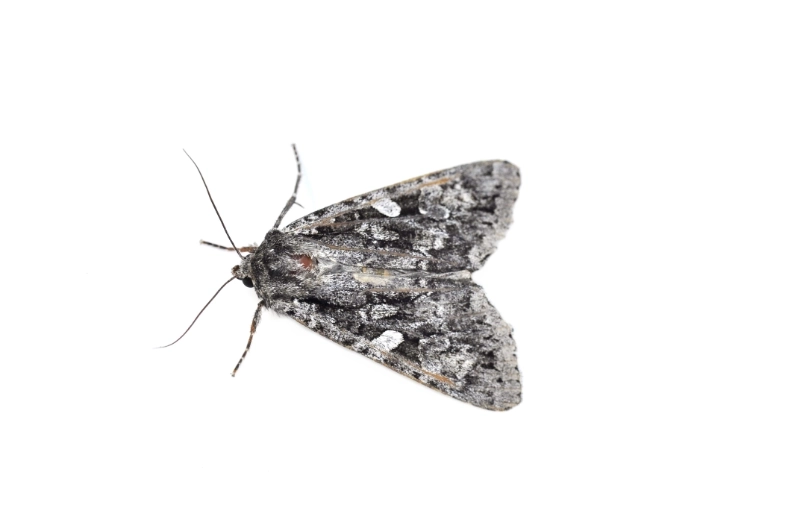
Why moth problems should not be ignored
Adult moths are usually not the main issue — the real infestation is in the larval stage, and that is when damage happens. Clothes moth larvae feed on wool, silk, fur, feathers and felt, especially on stored items. Pantry moth larvae contaminate flour, grains, cereal, nuts, dried fruit, spices, bird seed and pet food with webbing, shed skins and waste.
We focus on proper identification, full removal and practical prevention — solving the source of the problem, not just the moths you see flying around.
Common signs of a moth infestation
Moth problems we treat
Pantry moths often spread through unopened or partially opened food, and eggs or pupae can remain in cracks and shelf corners after contaminated items are thrown away. Clothes moths target natural fibres and quietly ruin sweaters, coats, blankets, rugs and stored textiles, especially in closets, basements and long-term storage.
Calgary moth control FAQs
Will throwing out the infested food fix a pantry moth problem?
Not on its own. Eggs and pupae survive in shelf cracks and on nearby packaging. The shelving and voids need to be treated too, which is what we do.
How do clothes moths get into a closet?
They are brought in on second-hand fabrics, or fly in and settle on stored wool and silk that has body oils or stains on it. Long-undisturbed storage is the classic setup.
Are the treatments safe around food and clothing?
Yes, when applied as directed. Treatment is targeted to cracks, voids and non-contact surfaces, and the technician explains what to clear and how long to wait.
Moths in the pantry or closet?
Book a licensed Calgary technician and get a free estimate today.