
Using Coffee Grounds to Deter Insects and Improve Natural Pest Management
Using Coffee Grounds to Deter Insects and Improve Natural Pest Management
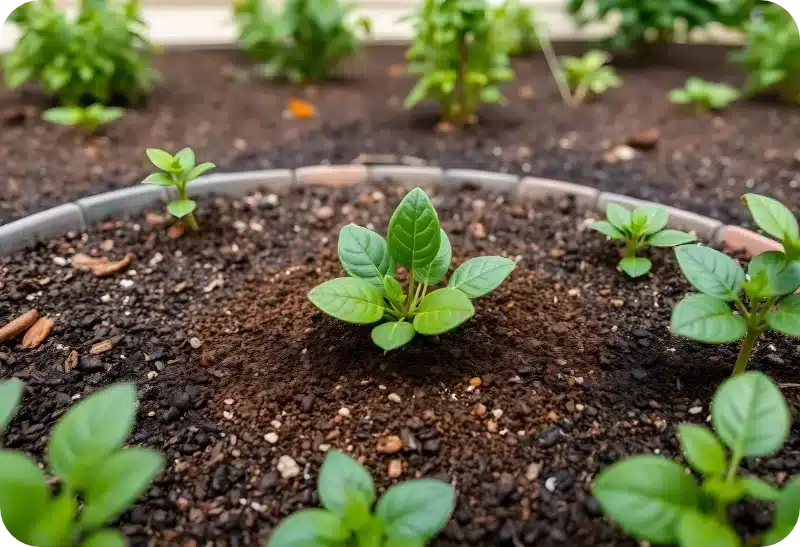
Used espresso grounds have a mild preventive effect for ants, wasps, and even for slugs around your garden or patio. Sprinkle a thin layer where they tend to gather. The scent throws them off, especially as the fresh and gritty texture is uncomfortable for them to crawl over.
There have been cases where somebody scattered coffee grounds along the base of their raised beds in the summer. It had an effect as there were fewer ants earwigs, they were not gone but had become noticeably less aggressive. This may have been a coincidence, but others Calgarians reported similar results, especially when combining this method with extensive sealing around entry points and eliminating excess moisture near foundations.
This method will not replace professional treatments, especially for larger infestations. However, as part of a broader prevention plan, spent brew debris may support other strategies, especially outdoors, where chemical-free solutions feel safer. Lightly applying it near compost bins, garbage storage, or pet bowls reduces the number of pests looking for food or warmth.
Using Coffee Grounds as a Natural Method for Pest Control
Repurposing used espresso waste around entry points, garden beds, and compost bins discourages ants, snails, and even wasps, without introducing synthetic chemicals. The scent, oils, and acidic content act as mild irritants or repellents. Not all critters are affected, but many are. If you notice insects clustering near kitchen doors or patio cracks, sprinkling damp, cooled remnants are effective.
In one case, a client attempted to scatter espresso waste near their back steps; a common entry place for ants. However, the method did not eliminate the problem in its entirety, but the number of ants noticeably thinned. This is not a replacement for barrier treatments, but is excellent to serve as a light deterrent. Particularly if you are focused on Airdrie property pest safety and prefer low-risk household methods to begin with.
How This Applies To Rodent Control
Rodents, especially mice, are not as affected by coffee-based deterrents. In most cases, they will ignore it entirely. If you are hearing activity in your attic or noticing droppings in your garage, relying on leftover brews will not not have a strong enough effect. You will want proper exclusion strategies and a comprehensive mice control plan, which is specifically tailored for that.
Does This Method Replace Professional Service?
No, as these DIY methods might seem effective, it is temporary. Infestations such as these require targeted approaches and follow-ups. If you are wondering whether hiring professional help is relevant to your case, this breakdown on the relevance of pest control to your situation explains it clearly. It is always better to catch a problem early with a mix of household methods and backup from an experienced person who is familiar with these situations.
How coffee grounds repel ants, slugs and other common garden pests
Sprinkle a fine layer of used espresso residue, or even drip filter leftovers around vegetable beds, ornamental borders, or anywhere you notice trails. The texture irritates the soft undersides of slugs and snails, most will not attempt at crossing it. It is not a permanent fix, but drastically slows them down, especially in dry climates.
For ants, the scent messes with their ability to follow established chemical trails. They will avoid areas treated with spent java. However, if colonies have already established an area, do not expect a major change. In this case, professional help is highly recommended, as it is the only realistic option. Learn more on how professional treatment removes ants.
Simple ways to apply
- Dry used material on a baking sheet, then sprinkle in a ring around the base of your plants.
- Mix into the topsoil, without going too deep, or layer it lightly on top after watering.
- Refresh every few days, especially after rain.
Certain insects, like fruit flies or fungus gnats remain unaffected. Others, especially soft-bodied or scent-sensitive bugs, avoid those areas. Nevertheless, if you are dealing with larger intruders like raccoons or spiders, kitchen waste will not help, even with a high volume. For those issues, see if raccoon removal or brown recluse management is worth considering.
One caution before you scatter
Too much espresso in one spot alters soil acidity. Plants like hydrangeas or blueberries may benefit, but others will not. Test a small area first. If you are in an apartment or shared space, it is not advised to do so. Learn where professional technicians typically apply treatments in apartment settings.
Safe ways to apply spent coffee material around plants and outdoor spaces

Scatter a thin layer directly onto soil, no more than half a centimeter thick. This prevents mold growth and compaction. If the particles are too dense, they form a crust which holds water at the surface and suffocates roots.
Mix with dry materials, such as shredded leaves or wood chips prior to the application. This balances the high nitrogen content and slows decomposition. This mix discourages crawling bugs from entering your property, especially if you have had issues with moisture-loving insects. If you are wondering whether professional options exist for moisture-related infestations, this blog may help: can pest control get rid of springtails.
For targeted use around specific plants or structures, create a shallow perimeter ring. A narrow band around the base of a plant or the edge of a raised bed works excellently. Refrain from applying too wide, a few centimeters will suffice. Wider coverage does not improve results and may attract mold or fungus gnats instead.
Sprinkle near entry points or corners of decks where bugs tend to gather. In one case, it reduced ant activity near a compost bin. This method is far from a guarantee, but is an easy fix to attempt prior to contacting professionals. If you are noticing more persistent insect or wildlife issues, like stinging pests or skunks in the yard, learn more here: Calgary wasp and skunk removal.
Lastly, do not forget to allow the material to dry before use. Using wet clumps immediately after use fosters problems rather than solutions. Spread it on a tray or sheet and let it sit for a day or two, ideally under cover if it will rain soon. This is a simple step, but easy to overlook.
Potential drawbacks and limitations of using spent beans against invaders
Relying solely on used espresso remnants as a repellent will not get rid of your infestation, as it is mostly temporary. Even though it discourages certain insects or mollusks in isolated cases. If you are facing a recurring issue, like persistent ants near the foundation or slug damage in moist garden beds, these remnants may slow down the problem, not stop it.
Short-lived effects and patchy results
One major problem is inconsistency. Many clients report noticeable deterrent effects around their plants, while others see no change at all. Rain or watering rapidly washes the material away, diluting any aroma or texture-based barrier. You would need to reapply after every rainfall, even when the impact varies depending on soil type, surrounding vegetation, and the type of infestation.
Possible harm to soil and beneficial insects
Used filter waste contains compounds like caffeine and diterpenes. These may interfere with seed germination or inhibit root growth in certain plants if it is spread too thickly. Additionally, it may disrupt beneficial organism dwelling in the soil, such as earthworms or ground beetles, as they help regulate harmful bugs. This is not a major danger, but is enough ponder on the consequences before covering your garden beds with it.
In some outdoor spaces, especially where children or pets play, large accumulations may create slick surfaces or attract mold. This is another subtle hazard, especially in shaded, damp corners.
If you are dealing with a larger infestation, or simply want a consistent outcome, the most effective method is to consult with Calgary’s best pest control team for a targeted strategy. DIY measures may help, but only as one part of a broader plan.
Q&A
Do used coffee grounds really keep ants away from my garden?
Used coffee grounds act as a mild deterrent for ants because of their texture and strong smell, which ants avoid. Sprinkling grounds around plant bases or along ant trails helps disrupt their movement. However, results vary, as this method does not eliminate ant infestations in its entirety. For more persistent cases, combining coffee grounds with other natural barriers or consulting professionals is more effective.
Is it safe to apply coffee grounds directly to my vegetable plants to protect them from pests?
Applying coffee grounds in small amounts around vegetable plants is generally safe, but it is best to avoid piling them up thickly or mixing large quantities into the soil, as this may alter soil acidity and potentially harm sensitive plants. Mixing grounds lightly with compost before application helps balance nutrients. Monitoring plant health after application is recommended to ensure no adverse effects occur.
Which common garden pests are most affected by coffee grounds, and how do they respond?
Certain pests like slugs, snails, and some crawling insects tend to avoid areas treated with coffee grounds due to the abrasive texture and bitter compounds. The grounds create a physical barrier which slows or deters movement. However, pests like aphids or caterpillars may not be as affected. Coffee grounds function better as part of an integrated approach rather than a sole solution against pests.
Could using coffee grounds around plants attract other unwanted insects or cause any problems?
While coffee grounds might repel some pests, they may also attract others like fungus gnats if used excessively and kept too moist. Additionally, grounds left in thick layers can retain moisture and potentially lead to mold growth, which can negatively impact plant roots. Applying coffee grounds sparingly and ensuring good drainage minimizes these risks.
How often should coffee grounds be applied to outdoor areas for pest control purposes?
Reapplying coffee grounds every few weeks may help maintain their deterrent effect, especially after rain or watering, which can wash them away. Regular application ensures the scent and texture barrier remain present. However, avoid over-application to prevent soil imbalance or excessive acidity. Adjust frequency based on observed pest activity and plant response.
Coffee grounds: get local help
The Pest Control Guy handles coffee grounds and related problems across Calgary, Airdrie and the surrounding communities. Licensed technicians, prevention-first treatment and free estimates.
- All Calgary pest control services
- Book an inspection or free estimate
- More pest control advice on the blog
For background on pesticide safety and integrated pest management, see the Government of Canada pest management guide.