
Ant Control: How To Get Rid of Ants Quickly
How can you identify and control ants in your home?
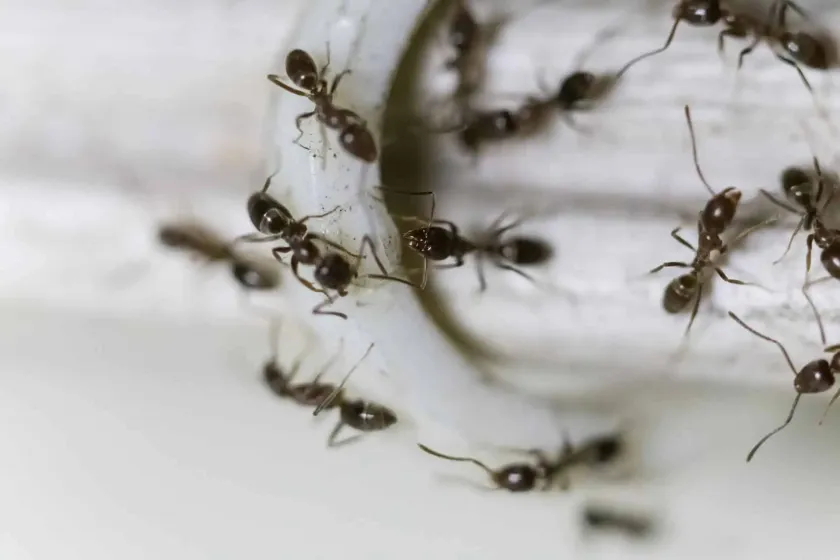
Control ants by identifying the species, locating activity and reducing the food, moisture or access that supports the problem. The treatment should fit the colony and nesting site, rather than only the workers in view. Record trails and recurring locations so an inspection can guide the next step.
The Intriguing World of Ants: What Draws Them Indoors
Ants are social insects that live in structured colonies, often consisting of workers, a queen, and larvae. Their primary goal is to find food, water, and shelter to support the colony. When ants invade homes, they’re usually in search of:
- Food crumbs and spills
- Moisture from leaky pipes or standing water
- Shelter during extreme weather
Some of the most common ants found in Alberta homes include pavement ants, carpenter ants, and odorous house ants. Each species has unique behaviors, but all can cause frustration for homeowners.
Signs of an Ant Infestation
Noticing one or two ants doesn’t always mean you have an infestation, but it’s essential to monitor the situation closely. Look for these signs:
- Ant trails: Lines of ants moving back and forth to a food or water source.
- Ant nests: Piles of dirt or small holes around your property may indicate outdoor nesting.
- Visible nests in garden or yard
- Food packaging with tiny holes
- Ants emerging from electrical outlets
- Winged ants: Seeing flying ants indoors can mean a mature colony is nearby, possibly nesting inside your walls or furniture.
- Structural damage: Carpenter ants, in particular, can cause damage by tunneling into wood.
- Presence of ant trails leading to food sources
- Ants congregating around pet food dishes
- Ants in bathroom or kitchen areas
Top Tips to Prevent Ant Infestation
- Seal entry points: Inspect doors, windows, and foundation cracks for gaps. Use caulk or weatherstripping to block access.
- Fix moisture issues: Repair leaks and eliminate standing water to remove attractive water sources.
- Keep your home clean: Wipe down surfaces, sweep floors, and store food in sealed containers. Ants are attracted to crumbs, sugary spills, and accessible food.
- Fix moisture issues: Repair leaks and eliminate standing water to remove attractive water sources.
- Set up barriers: Use ant repellents or natural deterrents like diatomaceous earth around entry points to keep ants away.
Why DIY Solutions Often Fall Short
While DIY methods may seem cost-effective, they often lack the comprehensive approach needed to tackle ant infestations effectively. Home remedies may provide temporary relief but fail to address the root cause of the problem.
DIY solutions typically do not consider the specific species of ants, which is crucial for effective control. Without proper identification and targeted treatment, ants can quickly return, leading to ongoing frustration and potential damage. Over-the-counter treatments can also pose risks to children and pets if not used properly.
The Importance of Professional Ant Control
Professional ant control services offer tailored solutions that are both effective and long-lasting. Experts have the knowledge to identify ant species and implement strategies that target the entire colony, not just the visible ants.
Utilizing professional services ensures the use of safe and regulated treatments, protecting both your home and the environment. This comprehensive approach not only eradicates current infestations but also prevents future ones.
Investing in professional ant control can save time and money in the long run. With expert intervention, you can enjoy peace of mind knowing that your ant problem is being handled efficiently and effectively.
Don’t let ants disrupt your home environment. Professional services provide the expertise needed to keep your space ant-free, allowing you to focus on what truly matters.
Don’t Let Ants Take Over – Act Now!
Ants may be small, but they can cause big problems if left unchecked. Stay proactive with prevention tips, and if you’re dealing with an infestation, don’t hesitate to reach out for professional help.
Contact us today to schedule an inspection and ensure your home stays pest-free all year long!
What should you record before an ant inspection?
Note where the ants enter, what they are feeding on and whether the trail changes during the day. Photograph the insects and any wood debris without disturbing a suspected nest. Tell the technician about moisture, previous products and the rooms where activity returns. These observations help separate a passing trail from an established indoor problem.
Remove accessible food and address leaks while you wait for advice. Avoid adding several products to the same trail without knowing how they interact with the proposed treatment. If bait is part of the plan, ask how to protect it from children and pets and which cleaning or spraying could interfere with placement.
How will you know whether the ant plan is working?
Agree on the signs to monitor and the point at which the technician wants an update. Progress depends on the species, nesting location and method; the disappearance of a few workers does not by itself establish that a colony has been controlled. Report the location and timing of continued activity so follow-up can be targeted.
Ask which prevention tasks belong to you and which work is included in the quote. Repairs, moisture correction and repeat visits may be separate from the initial treatment. A clear written scope makes the next step easier to understand.
For ant identification and the limits of household control, consult Health Canada: ant control and B.C. guidance on carpenter ants.