
How Professional Pest Control Handles Mouse Infestations and Prevents Their Return
How Professional Pest Control Handles Mouse Infestations and Prevents Their Return
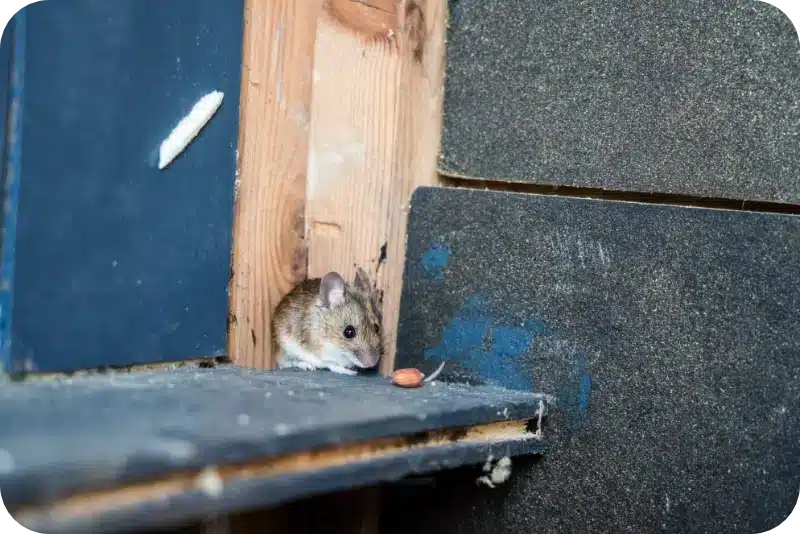
Seal entry points immediately. This includes gaps around pipes, foundation cracks, and openings beneath garage doors. Mice can pass through very small openings, and once inside, infestations are rarely limited to a single animal.
Isolated measures are often ineffective. Capturing one mouse does not address the underlying issue. Activity within walls or concealed spaces indicates continued presence. Entry conditions may include accessible food, cluttered storage areas, or seasonal changes that drive indoor movement.
Professional control is structured and comprehensive. Technicians remove active rodents and assess contributing factors. This may involve improving food storage, reducing nesting materials, and using monitoring tools to track activity. The focus is on prevention as well as removal.
Recurring activity, particularly during colder months, requires a full inspection and targeted plan. This often includes bait stations, structural corrections, and scheduled follow up. Consistent application produces reliable results.
Effective control aims to break the cycle. Treatment varies by property and conditions. The most effective approach addresses both rodent behaviour and environmental factors that allow entry and nesting.
What Does Pest Control Use for Mice?
When signs of rodents appear, such as droppings, scratching within walls, or chewed packaging, the first step is proper assessment. Attempting to manage the issue independently is often ineffective. Infestations typically involve more than a single animal, and basic traps provide only temporary control.
A professional technician begins by evaluating the extent of activity. This includes inspecting entry points, attics, and crawl spaces, and may involve monitoring to track movement. The objective is to identify nesting areas and eliminate access routes. Without sealing entry points, new rodents will continue to enter as others are removed.
Long-Term Prevention, Not Just Quick Fixes
Removing mice is only the first step. Effective control requires exclusion. Technicians seal gaps around utility lines, vents, and other entry points to prevent reentry. Ongoing service plans may also be recommended to reduce the risk of recurrence.
Indoor treatment may be required depending on activity. Applications are targeted and based on confirmed nesting or entry points. Broad or unnecessary treatment is not part of a proper approach.
It’s Never Just About the Mice
Rodent activity often leads to secondary issues. They can attract predators, damage insulation, and chew electrical wiring. Removing visible activity does not resolve underlying risk.
Unchecked infestations can result in structural damage and indoor air quality concerns. Early, comprehensive treatment reduces long term impact and prevents escalation.
How Pest Control Identifies Signs of a Mouse Infestation
Torn insulation, scattered droppings, or scratching within walls indicate possible rodent activity. These are primary indicators used during inspection. Additional signs may include a musty odor or grease marks along baseboards, which suggest repeated movement.
Technicians assess both physical evidence and behavioral patterns. Concentrated droppings in corners or cupboards often indicate feeding or nesting areas. Early detection through routine inspection can identify activity before it escalates.
Chewed wiring, shredded materials, and openings near vents indicate active nesting and structural intrusion. Noise alone is not a reliable indicator of scale. Accurate assessment requires confirming entry points and tracking movement.
Environmental factors are also considered. Rodents respond to temperature changes, food availability, and shelter conditions. Addressing these attractants is as important as sealing access points.
Trapping alone is insufficient. Without identifying and eliminating the source, activity will continue. Effective control requires locating entry points, removing attractants, and applying targeted measures.
Rodent activity may also indicate conditions that support other pests. A complete inspection evaluates the broader environment to prevent additional infestations.
Types of Traps and Baits Commonly Used by Professionals
Snap traps remain a standard option. They are fast, reusable, and effective in confined spaces along walls or behind appliances. While not ideal for all situations, they provide direct control.
Glue boards are also used. They are simple to place and monitor, though they are not suitable for every homeowner. In areas such as garages or under sinks, they can help identify movement patterns even when capture does not occur.
Live capture traps provide a non lethal option. Their use depends on preference and infestation size. They are appropriate when removal without harm is required, though they may be less practical for larger populations.
Common Bait Strategies
Professionals do not rely on cheese. High protein baits such as peanut butter, seeds, or pet food are more effective. In some cases, traps are pre baited without activation to determine feeding patterns before full deployment.
Rodenticides may be used in secured bait stations, typically in outdoor or restricted areas. Application follows strict safety protocols, particularly in homes with children or pets. Use is targeted and controlled rather than excessive.
Where Placement Matters More Than Type
Effectiveness depends on placement. Traps must be set along walls, in corners, and within concealed areas such as behind appliances or stored items. Incorrect placement reduces results.
Targeted setups provide better long term control. Placement and method are adjusted based on activity patterns and structure.
A combined approach is often required. Snap traps provide immediate control, glue boards assist with monitoring, and bait stations support ongoing prevention. Effective management relies on selecting and applying the appropriate combination rather than a single method.
What to Expect During a Professional Mouse Inspection
At the start of a visit, the technician will ask about recent activity, including timing, locations of droppings, and any noise within walls or ceilings. This information supports an accurate assessment before inspection begins.
A full inspection follows, both inside and outside. This includes checking behind appliances, within crawl spaces, and in attic areas. Nesting sites, food sources, and entry points are identified. Small indicators such as gaps beneath doors, chew marks, or grease trails are also assessed.
Inspection tools may include flashlights, mirrors, or monitoring devices to evaluate concealed areas. The condition of droppings or nesting material is reviewed to determine current activity levels.
Exterior inspection focuses on structural openings. Foundation cracks, gaps at garage doors, and unsealed vents are common entry points. Even small openings can allow access and must be addressed.
The visit concludes with a summary of findings and recommended actions. This may include trapping, exclusion, or additional treatment where required. Clear next steps are provided based on the extent of the activity.
How Exclusion Techniques Help Prevent Mouse Reentry
Sealing entry points is one of the most effective ways to prevent rodent reentry after removal. This requires a detailed inspection to identify gaps, cracks, and openings as small as a dime, which can allow access.
Durable materials such as steel wool, wire mesh, or metal flashing are used, as softer materials can be penetrated. Over time, new openings may develop due to settling or weather. Routine inspection helps identify and address these changes.
Entry points are not limited to visible gaps. Doors and windows may require proper sealing, and vents and utility penetrations must be secured. Rodents exploit small weaknesses in these areas.
Exclusion is most effective when combined with other control methods. Integrated approaches improve long term results and reduce the likelihood of recurrence.
| Exclusion Technique | Purpose | Common Materials |
| Sealing cracks and gaps | Prevent reentry through small openings | Steel wool, caulk, wire mesh |
| Door and window reinforcement | Eliminate easy access points | Weather stripping, metal flashing |
| Vent and pipe covers | Block unconventional entry routes | Metal screens, mesh covers |
The Role of Sanitation in Reducing Mouse Activity
Maintaining cleanliness reduces the likelihood of rodent activity. Food scraps, crumbs, and improperly stored waste attract pests. Eliminating these sources limits feeding opportunities and discourages nesting.
Even small amounts of exposed food can support activity. Pet food left out overnight or minor spills provide consistent access to nourishment. Regular cleaning and sealed storage disrupt these patterns.
Clutter also contributes to infestation risk. Cardboard, storage piles, and unused materials create shelter. Organizing and reducing these areas limits hiding spaces and supports long term prevention.
Consistent Garbage Management
Unsecured or infrequently emptied garbage bins attract rodents. Using bins with tight fitting lids and positioning them away from entrances reduces risk. Proper waste management is a critical component of prevention.
Moisture Control
Rodents require water as well as food. Leaks, condensation, and standing water attract activity. Repairing plumbing issues and maintaining proper drainage reduces this attraction.
Sanitation alone does not resolve an infestation, but it is a foundational step that supports other control measures.
Follow-Up Visits and Long-Term Monitoring Strategies
Regular follow up visits are essential for maintaining control after initial treatment. They allow early detection of renewed activity and provide an opportunity to adjust methods as needed. Skipping follow up increases the risk of reinfestation and higher long term cost.
During these visits, technicians inspect entry points, food storage areas, and concealed spaces. Traps may be reset or replaced, and bait stations serviced to maintain effectiveness. Reporting any new signs or concerns supports accurate assessment and continued control.
Long-Term Monitoring Methods
Routine inspections scheduled every few weeks or months, depending on the situation
Use of monitoring devices like bait stations or tracking powder to detect movement
Physical checks of vulnerable spots like cracks and vents to ensure no breaches occur
Encouraging occupants to report signs such as droppings or noises promptly
Patience is often necessary, as complete elimination and prevention of return may take some time. Maintaining cleanliness and reducing clutter alongside professional monitoring is equally valuable. Curious about timing for cleaning after treatments? Check how long after pest control can I clean to ensure safety and effectiveness.
FAQ
How do pest control methods target mouse populations without harming pets or humans?
Mouse management techniques often include the use of bait stations and traps that are designed to minimize exposure to non-target animals. Bait stations, for example, are enclosed containers that only allow mice to enter, reducing the risk to pets and people. Additionally, pest specialists select rodenticides carefully and apply them in areas that are inaccessible to children and animals. These precautions help ensure safety while addressing the infestation effectively.
What signs indicate that there is a mouse infestation in a home?
Common signs include small droppings near food sources or along walls, gnaw marks on furniture, wires, or packaging, and scratching noises coming from walls or ceilings, especially at night. You might also notice nests made from shredded materials in hidden corners or find footprints in dusty areas. Sometimes, an unusual musky odor can also suggest the presence of mice. Identifying these signs early helps prevent larger problems.
Can mouse problems be solved without using chemicals or poisons?
Yes, there are non-chemical approaches that can reduce mouse activity. Physical traps, such as snap traps or electronic traps, can capture rodents without using poisons. Sealing entry points by closing gaps and holes in walls or foundations prevents new mice from entering the building. Maintaining cleanliness by removing food scraps and properly storing food also discourages mice from settling. While these methods can be effective, sometimes a combined approach yields better results.
How long does it typically take to see results after starting mouse management procedures?
Results depend on the severity of the infestation and the methods applied. In mild cases, signs of reduced activity might appear within a few days as traps catch rodents and deterrents take effect. More serious infestations can require multiple visits over several weeks to fully address the problem and prevent reentry. Continuous monitoring and follow-up visits help ensure the situation improves steadily and remains under control.
Pest control: get local help
The Pest Control Guy handles pest control and related problems across Calgary, Airdrie and the surrounding communities. Licensed technicians, prevention-first treatment and free estimates.
- All Calgary pest control services
- Book an inspection or free estimate
- More pest control advice on the blog
For background on pesticide safety and integrated pest management, see the Government of Canada pest management guide.