
How Pest Control Tackles Bird Infestations in Homes and Businesses
How Pest Control Tackles Bird Infestations in Homes and Businesses
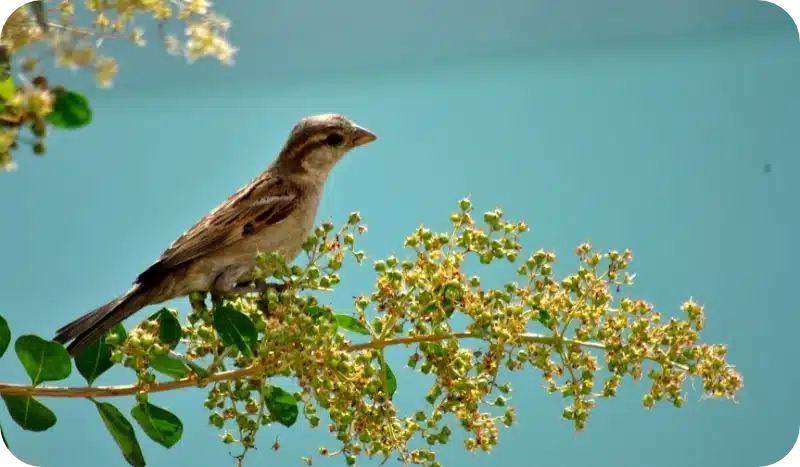
Can pest control address bird issues? Yes. If birds are nesting in vents, roosting on roofs, or leaving debris around a property, professional intervention is often required. Speaking with a licensed technician helps determine the most effective approach. These problems rarely resolve on their own, and once birds become established, they are more difficult to remove.
Most pest control and wildlife services do not use a single standardized method. The process typically begins by identifying what is attracting birds to the property, such as food sources, sheltered areas, or heat. Once these factors are identified, technicians implement exclusion methods. These may include physical barriers and deterrents designed to make the area less suitable for nesting or roosting. Humane approaches are standard practice, and methods are selected to comply with regulations and avoid harm.
Some deterrents may appear simple but can be effective when applied correctly and combined with structural modifications. Results depend on proper placement and consistency. Each property presents different conditions, so solutions are tailored rather than universal.
It is also important to consider legal requirements. Certain bird species are protected, and interfering with nests without proper authorization may be restricted. Reputable pest control providers account for these regulations and ensure all work is conducted in compliance with applicable laws.
Can Pest Control Get Rid of Birds?
If birds have settled in unwanted areas, the most effective approach involves a combination of deterrence, habitat modification, and site-specific planning. There is no single solution, and short-term fixes—such as decoys or reflective materials—rarely provide lasting results. In urban and commercial settings, ongoing human activity and accessible food sources often attract birds back.
Effective control typically begins with identifying why and where the birds are gathering. Common issues include roosting under eaves, nesting in vents, or accessing open garbage bins. Once these patterns are understood, targeted measures such as exclusion netting, angled ledge systems, or spike installations can be used to prevent return.
In some cases, the issue may be more complex due to seasonal patterns or structural design. When this occurs, a customized treatment plan is often required to achieve consistent results. Bird control focuses on long-term prevention through continued deterrence rather than immediate or complete elimination.
Long-Term Prevention Tactics
Modifying the environment is often more effective than relying on physical removal alone. Eliminating food sources, sealing entry points, and adjusting landscaping to reduce shelter all contribute to long-term control. Ongoing maintenance is also important, as even a small gap in a roofline can allow birds to return.
When Intervention Becomes Necessary
In some cases, permits may be required, particularly if protected species are involved. This is where professional experience becomes important. Attempting a quick DIY solution can lead to regulatory issues or worsen the problem. Working with a qualified professional ensures the situation is handled appropriately and in compliance with applicable regulations.
How Pest Control Deters and Removes Birds
Targeted deterrents should be installed as soon as nesting or roosting activity is observed, as delays often allow the problem to worsen. Physical barriers such as netting or stainless steel spikes are typically the first step. While not visually subtle, they are effective. Netting restricts access to areas such as rafters or beams, and spikes prevent perching on ledges or signage without causing harm.
For larger commercial properties, tension wire systems are sometimes used. These are less visible and make landing difficult while maintaining a clean appearance. In residential settings, additional options may include sloped surfaces or gel-based deterrents that discourage birds from returning without causing injury.
If birds have already established themselves, supplementary deterrents such as audio or light-based systems may be introduced. These methods use intermittent sound or visual signals to create disturbance. While not always effective on their own, they can enhance the performance of physical barriers when used together.
In cases where nesting has occurred within vents or eaves, removal may be required in accordance with local regulations. Sealing the entry point afterward is essential to prevent recurrence. Regular inspections can help identify early signs of activity, as prevention is generally more effective than addressing established nesting.
Tailored Approaches for Specific Structures
No two properties require the same approach. A solution that works for a commercial loading dock may not be suitable for a residential balcony. This is where customized deterrent planning becomes important. Professionals assess factors such as wind exposure, nearby food sources, and structural layout before selecting the appropriate method.
The goal is not simply to remove birds, but to make the environment less suitable for roosting or nesting without causing harm. Achieving this often requires a combination of experience, adjustment, and site-specific planning.
Legal and Ethical Considerations in Professional Bird Removal
Any intervention targeting nuisance birds must comply with local wildlife protection laws. In Alberta, many species are protected under the Migratory Birds Convention Act, meaning removal is not always straightforward, even when birds are nesting in vents or causing property damage. Licensed wildlife specialists are trained to assess and manage these situations while remaining within legal guidelines.
Ethical considerations are equally important. A nuisance does not justify harm, and most professionals rely on non-lethal deterrents, including visual, auditory, and structural methods. The objective is to discourage birds from returning rather than to eliminate them.
Timing also plays a critical role. Nesting seasons can limit what actions are permitted, and interfering with active nests may be restricted or require authorization. These situations require careful evaluation and should not be handled without proper expertise.
Because conditions and regulations vary, decisions about when and how to act should be made with guidance from a qualified professional. Each case is unique, and proper assessment ensures both effective and compliant management.
Bird activity is not limited to warmer months. Some species roost in attics or sheltered areas year-round, so issues may persist during winter. It is also important to recognize that bird control differs from managing other pests. Methods used for rodents or insects are not applicable, as effective bird control relies on environmental modification and behavior-based deterrence rather than baiting or trapping.
When to Call Pest Control for Bird Infestations and What to Expect
If droppings are accumulating, nesting debris continues to reappear, or there is persistent noise near vents, it is likely time to involve a bird management professional. Delaying action can lead to structural damage, blocked drainage systems, and potential health concerns associated with accumulated waste. For commercial properties, particularly in food-related industries, unresolved bird activity can also impact compliance and reputation.
The process typically begins with a site inspection. A technician will assess the property to identify entry points, nesting areas, and attractants. In some cases, advanced tools such as drones or thermal imaging may be used to evaluate rooflines or concealed spaces. Many providers also offer treatment options that are safe for households with children and pets.
Following the inspection, a customized plan is developed. This may include exclusion methods such as netting or spike systems, along with deterrents or one-way exit devices. Depending on the species and applicable regulations, removal may need to be scheduled at specific times of year. Some solutions require multiple visits to achieve lasting results.
Bird control is often part of a broader pest management strategy, but it involves additional considerations, including wildlife regulations and permitting requirements. Working with a licensed and experienced provider is important to ensure compliance and effectiveness.
While many pest control companies offer services for rodents and insects, not all have the same level of expertise in bird management. Effective bird control requires an understanding of behavior, habitat modification, and long-term prevention strategies. The goal is not only to remove birds but to prevent them from returning.
Q&A
Can a professional service remove pigeons from my balcony?
Yes, a licensed technician can assess your balcony or solar panels and use physical barriers like netting or spikes to discourage pigeons from roosting. If required, they may also apply bird repellents or set up non-lethal traps. The approach depends on local regulations and the severity of the problem.
Is it legal to remove nesting birds from my attic?
This depends on the species and whether they are protected under federal or provincial laws. For example, many migratory birds cannot be disturbed during nesting season. A qualified removal team will identify the birds involved and proceed only if removal is permitted. In some cases, you may need to wait until the birds leave naturally.
How do experts keep seagulls away from rooftops?
Seagulls are commonly deterred using wire systems, bird spikes, or auditory deterrents. Rooftop access points may also be sealed or modified. These strategies help prevent repeated nesting or scavenging in commercial and residential areas.
Will bird removal damage my property?
Ethical removal services aim to prevent harm to both the animals and the structure. Techniques like exclusion netting, one-way doors, and ultrasonic devices are typically non-invasive. Any structural changes—like installing vents or sealing gaps—are done with care to avoid damage.
How long does it take to solve a bird infestation?
The timeframe varies depending on the bird species, the size of the infestation, and access to the nesting area. Minor issues can be resolved in a few hours, while larger or protected colonies may require several visits spread out over weeks, especially if timing must align with local wildlife protection laws.
What are the main methods used by pest control services to address bird infestations?
Pest control services employ a variety of techniques to manage bird infestations. These methods include installing physical barriers such as netting or spikes to prevent birds from nesting in certain areas, using auditory or visual deterrents like sound machines or reflective materials, and employing humane traps to relocate the birds. Additionally, some services may apply non-toxic repellents to deter birds from specific locations. The approach depends on the species involved and the severity of the infestation, ensuring that the solution is both effective and safe for the environment.
Pest control: get local help
The Pest Control Guy handles pest control and related problems across Calgary, Airdrie and the surrounding communities. Licensed technicians, prevention-first treatment and free estimates.
- All Calgary pest control services
- Book an inspection or free estimate
- More pest control advice on the blog
For background on pesticide safety and integrated pest management, see the Government of Canada pest management guide.