
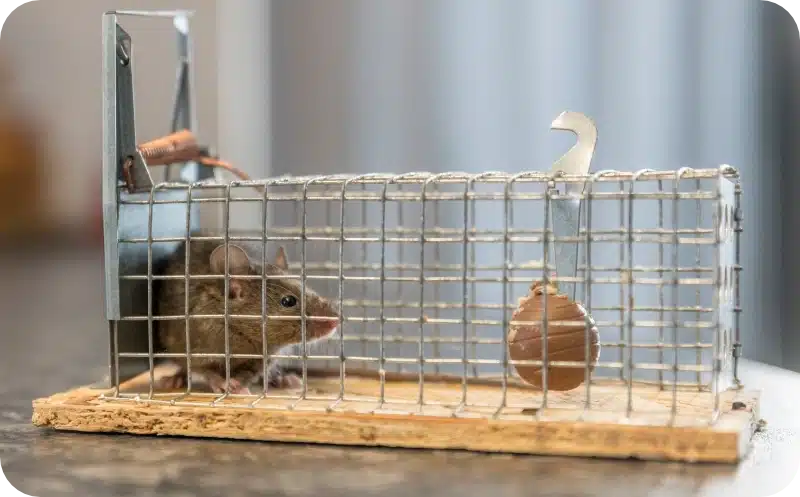
Several pest concerns can be addressed without immediate professional intervention. Install traps at the first sign of activity. Bait stations, adhesive monitors, and mechanical traps may contain limited infestations. Basic tools are often sufficient for initial response.
Apply measures specific to the pest involved. Use sugar based baits for ant activity in kitchens. For mice, seal openings larger than six millimeters and position snap traps along baseboards and travel paths. Certain infestations, including carpenter ants and bed bugs, present greater complexity and may exceed do it yourself capability.
Natural substances such as vinegar solutions, diatomaceous earth, and essential oils are used as deterrents. Performance varies. All products, including household substances, must be applied in accordance with safety guidance to prevent unnecessary exposure to occupants and pets.
Source identification is essential. Inspect window screens, foundation vents, and door thresholds for entry points. Structural sealing provides long term impact. Conduct periodic inspections to maintain integrity.
If repeated efforts do not resolve the issue, professional service becomes appropriate. Preliminary corrective steps should be completed prior to escalation to ensure efficient intervention.
Begin by sealing structural gaps beneath doors, around windows, and at pipe penetrations. Small openings frequently serve as primary entry points. Foam sealant or copper mesh provides effective exclusion without specialized materials.
Use baits rather than surface sprays for colony based pests. Baits allow transfer of active ingredients to the nesting site, addressing the source rather than visible individuals. Do not combine baits with repellents in the same location, as this disrupts feeding behavior and disperses activity.
Adhesive monitors assist with detection and assessment. They indicate species presence and activity level but do not resolve infestations. Placement near corners, appliances, and travel routes supports monitoring.
For flying insects, prioritize sanitation and exclusion. Install fine mesh on vents, remove refuse promptly, and repair moisture issues. Correcting leaks and eliminating breeding conditions reduces attraction and reproduction.
Escalation is appropriate when signs persist despite corrective action, including recurring droppings or sustained wall noise. Isolated or seasonal sightings may be managed through structured preventive measures. Effective control requires methodical application and realistic expectations.
Inspect window sills, baseboards, and corners for droppings, shed wings, or smear marks. Each indicator suggests a different pest. Small dark specks near food storage may signal cockroach activity. Fine sawdust beneath wooden elements may indicate carpenter ants. Scratching sounds within walls during nighttime hours suggest rodent presence. Oily rub marks along baseboards are consistent with mice. Web accumulation in undisturbed areas points toward spider harborage.
Examine lower structural zones, including crawlspaces, basement walls, and areas behind appliances. Entry points are frequently inconspicuous. Openings as narrow as six millimeters permit rodent access. Gaps beneath exterior doors, misaligned vent covers, and damaged screens require correction. Perimeter inspection during low light conditions improves detection of active movement.
Subtle indicators warrant attention. Persistent odor, displaced insulation, or fine webbing across stored materials may reflect concealed activity. Structural shifting and temperature fluctuation can create new access points. Continued intrusion despite sealing efforts may require professional assessment.
Avoid applying sprays or powders prior to accurate identification. Incorrect treatment may exacerbate the issue and introduce unnecessary exposure risk. Aerosol misuse presents inhalation hazards.
Systematic inspection and measured response provide more effective results than indiscriminate product use. Isolated sightings may represent broader concealed activity and should be evaluated accordingly.
Wear protective gloves constructed of nitrile or heavy duty rubber. Thin household gloves do not provide adequate chemical resistance. Direct skin contact with treatment materials must be avoided.
Use sealed eye protection. Enclosed goggles reduce the risk of splash or airborne exposure. Open sided eyewear does not provide sufficient coverage during spray application.
Respiratory protection is essential. Select a respirator rated for the product in use, such as N95 or P100 where particulate or vapor exposure is indicated. Basic dust masks do not provide adequate filtration for chemical aerosols.
Review product labeling for ventilation requirements. Certain formulations require open windows, mechanical airflow, or restricted occupancy during and after application. Safety procedures must be determined by manufacturer instruction rather than assumption.
Clothing must provide full skin coverage. Wear long sleeves and full length trousers. Protective coveralls are preferred. Durable work garments may be used if they prevent skin exposure.
Select tools appropriate to the treatment method. A standard spray bottle is not suitable for all applications. Certain control measures require bait stations, enclosed traps, or precision dust applicators. Equipment choice depends on pest type and infestation severity.
Personal protective equipment and tools alone do not resolve rodent infestations. Effective management requires a structured control plan, exclusion measures, and professional evaluation where necessary.
Determine storage location before opening any product. Chemical materials must not be stored near food, beverages, or household cleaning supplies. Place remaining product in a sealed container within a secured cabinet or detached storage area.
Clean equipment immediately after use. Wash reusable gloves, respirators, and tools to remove residue. Do not delay maintenance, as chemical buildup reduces effectiveness and increases exposure risk.
Preparation may require more time than application. Safety procedures must not be omitted. Proper handling prevents contamination and long term risk.
Begin by isolating the source of activity. Determine the species present before taking action. Accurate identification directs appropriate control measures.
Inspect for physical evidence, including droppings, damaged packaging, shed wings, frass, or nesting material. Rodent presence may be indicated by movement sounds within walls or ceiling cavities.
If activity escalates or identification remains uncertain, structured intervention is required to prevent further spread and structural impact.
Seal structural openings, including cracks, vents, and gaps exceeding twelve millimeters in diameter where rodents are concerned. Apply silicone based sealant, metal mesh, or approved expanding foam to restrict access.
Eliminate food and moisture sources. Store consumables in airtight containers and maintain routine sanitation. Repair plumbing leaks and condensation points that provide water for insect survival.
Place traps in areas with the strongest evidence of activity, including beneath sinks, behind refrigerators, and along baseboards. Use baits or gel formulations for ants and cockroaches where appropriate. Apply insect growth regulators when persistent reproductive cycles are identified.
Airborne or structural nesting insects, particularly those entering through attics or vents, require caution. Do not rely on improvised methods in elevated or enclosed spaces. Follow all safety instructions when using any chemical product. Wear gloves, provide ventilation during aerosol application, and never combine different formulations. Chemical interaction may produce hazardous effects.
| Infestation Type | First Step | Recommended Action |
| Mice | Seal all entry points | Use snap traps near droppings and wall edges |
| Ants | Clean surfaces and eliminate trails | Apply bait near visible trails |
| Yellow Jackets | Locate entrance to nest (if indoors) | Call for help–DIY is risky indoors |
Inspect results daily. Adjust trap placement or reapply treatment if activity continues. Infestations may fluctuate before declining.
If repeated attempts fail to reduce activity, or if medical risk is present, professional intervention is warranted. Local pest control experts in Calgary determine when structured treatment is required and implement measures beyond residential capability.
Select a perimeter barrier product formulated to deter entry. Granular and liquid formulations are available, and selection should correspond to surface type and exposure conditions.
Apply the barrier along foundations, door thresholds, window frames, and visible cracks. Maintain a continuous and uniform application. Inconsistent coverage reduces effectiveness and permits access.
Environmental conditions influence performance. Apply during dry weather to extend residual life. Reapply following significant rainfall or according to manufacturer specifications.
Maintain clearance between vegetation and structural walls. Dense foliage reduces barrier visibility and creates harborage.
Perimeter treatments reduce entry probability but do not eliminate all intrusion. Combine exterior barriers with interior sealing measures for comprehensive protection.
Consult product instructions or a qualified professional to determine appropriate application intervals and suitability for specific pest pressures.
Ant management may begin with a vinegar and water solution to disrupt scent trails. This method alters behavior but does not eliminate the colony. Targeted bait containing boric acid addresses the nesting population and provides more complete control.
Cockroach infestations require combined measures. Diatomaceous earth functions as a desiccant and reduces activity through physical action. Gel baits containing fipronil achieve faster population suppression through transfer within harborages.
Mosquito reduction through citronella based repellents provides temporary outdoor relief. Long term control requires treatment of breeding sites through larvicides or approved residual applications.
Rodent deterrence using peppermint oil may influence movement patterns but does not remove established populations. Mechanical traps and regulated bait systems produce measurable decline when properly deployed.
Spider presence can be reduced through sanitation and habitat disruption. Residual insecticide treatments provide greater reduction in persistent cases.
Termite activity may respond to localized natural treatments in limited areas. Professional grade termiticides remain the most reliable option for structural protection.
Selection between natural and chemical methods depends on infestation severity, exposure tolerance, and response timeframe. Integrated application of compatible measures provides balanced and effective control.
Conduct routine inspections of treated areas. Continued activity or new evidence indicates incomplete control. Examine for subtle indicators such as fresh droppings, movement trails, or material disturbance.
Maintain written records of inspection dates, locations assessed, and observed conditions. Documentation supports pattern recognition and identifies recurring pressure points. Retreatment may be required if activity resumes after an interval. Treatment frequency should correspond to pest type and infestation history.
Control strategies vary by species. Certain pests, including mites, require specific treatment protocols and follow up intervals. Application schedules must reflect biological characteristics and resistance risk.
Avoid repeated application without assessment. Excessive use increases exposure potential and may reduce long term effectiveness. When results remain unclear, professional evaluation provides guidance on whether further treatment or continued monitoring is appropriate.
Monitoring requires structured observation and informed adjustment rather than rigid scheduling. Decisions should be based on evidence and site conditions.
Is it safe to handle insect traps and sprays without expert guidance?
Using insect traps and sprays can be safe if product instructions are followed closely. Always wear protective gloves and avoid direct contact with skin or eyes. Make sure the area is well-ventilated during application, and keep children and pets away until surfaces dry or traps are placed securely out of reach.
How can I tell if a treatment has worked or if I need to repeat it?
Check the treated areas regularly for any signs of returning insects or damage. For many insects, reduction in sightings within a week is a good indicator of success. If pests persist or increase, it’s a signal to apply another treatment or try a different method. Patience and observation over several days help make the right call.
What natural methods are most useful for keeping bugs away from the garden?
Using plants like basil, mint, or marigold near vulnerable spots can repel some bugs. Additionally, introducing beneficial insects such as ladybugs helps reduce harmful insect populations. Sprays made from garlic, neem oil, or soap solutions provide an extra layer of defense without harsh chemicals.
Are there signs inside the house that suggest where pests might be entering?
Look for cracks in walls, gaps around doors and windows, openings near plumbing or electrical lines, and holes in screens. Also, check basements, attics, and crawl spaces, since these often provide easy access. Identifying these points allows sealing or blocking access, which helps keep unwanted visitors out.
What precautions should be taken when mixing different insect removal products?
Mixing products without knowing their chemical compatibility can be risky. Some combinations may cause harmful reactions or reduce effectiveness. Always read labels carefully and avoid combining multiple sprays or powders unless the manufacturer states it is safe. When in doubt, use one product at a time and observe results before applying another.