
How long does pest control spray smell last? Duration of Protection
How Long Pest Control Spray Typically Lasts on Different Surfaces and Conditions
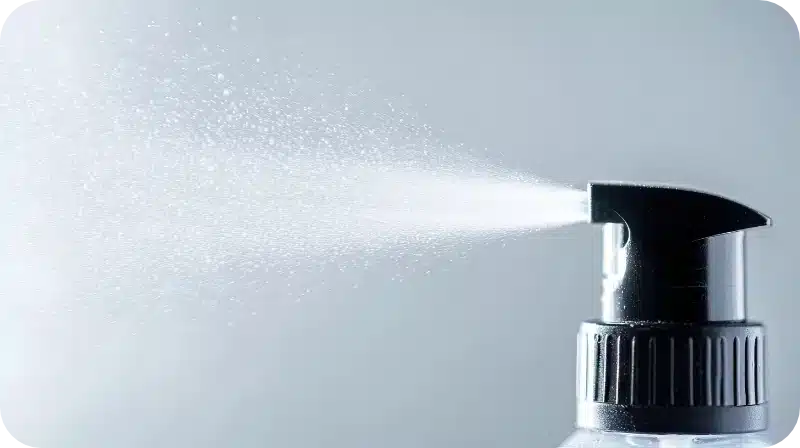
Most indoor treatments remain effective for 30 to 90 days. This is the typical range, but weather, property layout, and the type of target species all shift that timeline. In many Calgary homes, residual barriers along baseboards or entry points remain effective for weeks or longer. Nevertheless, do not assume a single session will carry you through the season.
Various formulas rapidly break down when they are exposed to sunlight or moisture. Others linger, especially those designed for crawlspaces or attic voids. There is no singular solution which solves all problems. Clients have claimed they did not notice any bugs for months, while others noticed activity resuming within a weeks. Neither is unusual.
Maintenance is of high importance. Reapplications, especially at 90-day intervals, provides consistent results. In high-risk zones, like restaurants or multi-unit buildings, monthly treatments are a necessity. You may extend the the interval in dry, sealed spaces, but taking those risks is not advised.
Situations shift when they are outside. Rainfall and UV exposure rapidly degrades active ingredients. Around foundations, patios, or decks, products taper off after a month. In the summer, you may need exterior service every 3–4 weeks, especially if ant trails or wasp nests remain remain a recurring issue.
Though a single visit may bring relief, follow-up plans are recommended for full effect. If you are unsure what interval is appropriate for your home or business, contact a technician. They will factor in structure type, infestation history, and Calgary’s unpredictable climate.
Typical Duration of Pest Control Sprays for Different Insect Types
For ants, liquid applications remain active for 3 to 4 weeks on indoor surfaces, and can last longer outdoors if the weather stays dry. Nevertheless, reappearance may happen sooner if the root colony was not fully targeted. Some notice a return within 10 days, depending on the species and layout of the home.
With cockroaches, the situation is more persistent. Residual treatments, especially in crevices and under appliances, hold up for 6 weeks. However, insects can be incredibly stubborn, if there is food, moisture, or clutter nearby, they push back. Gel baits outlast sprays in these cases, sometimes by a significant amount.
It is not as a predictable for spiders. They do not groom themselves the same way roaches or ants do, so surface residues are not always effective. Results may stretch from 2 to 3 weeks, unless paired with direct contact or web removal. Clients have noticed results within days, even with excellent product placement.
Flying insects respond differently, especially wasps and houseflies. Misting products rapidly break down in sunlight and open air. In the best cases, you will have 1 to 2 weeks of reduced activity. Indoor fly treatments linger for a longer period, depending on ventilation and surfaces.
If you are dealing with a rodent problem alongside bugs, timing matters. For something tailored, especially in Calgary’s climate, learn more about customized mice pest control options which work in parallel with insect treatments.
How long indoor ant and cockroach sprays remain active on surfaces
Most indoor treatments targeting ants and cockroaches remain effective for 2-4 weeks, depending on the surface type and indoor conditions. On non-porous areas like tile or sealed wood, the residual effects last closer to 4 weeks. On absorbent materials, such as unsealed concrete or carpet, the product breaks down faster.
Humidity, sunlight, and the frequency you clean the area influences duration. For example, regularly wiping in kitchens and bathrooms reduces the spray’s effectiveness within days. For areas that are undisturbed, such as behind appliances or along baseboards, products can remain effective for a month or longer.
It does not mean the product failed if ants or roaches begin to reappear earlier than expected. New insects could have entered untreated zones. In that case, consider a follow-up or a more targeted treatment. An excellent alternative is turning to local professionals who offer residential pest solutions in Calgary. They are equipped to assess problematic areas and apply long-lasting solutions.
Various households prefer minimal chemical use indoors. If that is the case, use strategic placements and lower-toxicity treatments. Many providers offer humane pest control services, which homeowners are more comfortable with, especially if there are pets or kids.
Nevertheless, the active window for these indoor products is relatively short. If the goal is consistent prevention rather than simply occasional relief, regular attention or recurring service might is an efficient decision.
Duration of Residual Protection from Perimeter Barrier Treatments
An effectively applied perimeter barrier remains active on exterior surfaces for 2 to 3 months, sometimes longer if weather stays mild and dry. That is assuming it is a professional-grade product, not a store-bought formula.
Rain, sun exposure, and foot traffic all accelerate the treatment break down. If you live in an area with heavy rain or sprinklers hit treated zones daily, the protective barrier may wear off noticeably sooner. Various homeowners believe it will last all season, but in reality it requires reapplication after 8 to 10 weeks to maintain full coverage.
For yard areas near foundations, under decks, or along fences, especially areas where insects like ants, spiders, or earwigs migrate in, you will want to closely monitor activity around the six-week mark. If you notice a sudden uptick, it is time for another round. If your property borders natural green space or you are already managing nuisance wildlife like voles, the barrier will not be enough on its own. Pairing with effective vole pest prevention helps keep outdoor intrusions to a minimum.
Many get confused when there is how subtle it is: there is no odor, residue, or visual cue that it is working. That is its purpose, as these treatments are meant to remain active without disrupting your living area. While the outer protection wears down gradually, its performance does not abruptly vanish overnight, it fades over time. This fading varies depending on the exact formulation, surfaces treated, and environmental circumstances.
Consider this with a broader understanding. Most do not think twice about scheduling regular window washing or yard work. However, seasonal exterior treatments are overlooked, even though they directly support health and comfort indoors. If you wonder why we control pest populations, it falls to maintaining boundaries between what is beneficial and what is not.
Weather Conditions and Their Role in Outdoor Treatment Performance
For outdoor perimeter applications, the forecast is more important than you might expect. An abrupt downpour within 24 hours of application drastically reduces surface retention, especially on non-porous materials like vinyl or metal siding. Light drizzle may not wash everything away, but persistent humidity and repeated wetting wears treatments down faster than dry weather.
There is an additional problem on hot days, rapid breakdown from UV exposure. Various active ingredients degrade at a rapid rate under intense sunlight, particularly those not designed for photostability. Even if the surface looks dry and untouched, the microscopic residues that matter may have already begun to degrade within hours. Shade, fosters maintenance and protects the barrier for longer, especially around the foundation line.
On windy days, fine mists may not reach target zones or could drift, creating uneven coverage. The inconsistency leads small gaps enough to allow re-entry by ants, spiders, or rodents in search of cooler shelter. For persistent pests like mice, pair perimeter defenses with interior measures. Learn more about how pest control addresses mice for options beyond surface treatments.
Temperature changes affect longevity. Cold nights followed by hot days cause microcracking in treated areas, loosening the bond between the application and the surface. This is noticeable on older stucco or cracked concrete bases where the product does not hold as effectively over time.
Ultimately, you will benefit most from dry, mild, and consistent weather, as it fosters exterior treatments to remain active for a longer period. If conditions fluctuate wildly or rain follows too rapidly, reapplication can be needed sooner than expected. Though inconvenient, it is better to anticipate the problem than be caught off guard by returning activity.
Timeframe for reapplication based on infestation severity
For minor bug activity, such as ant trails or a spiders in your basement, treatments remain effective for 60 to 90 days. Reapplication during this window helps maintain that outer barrier, but it is not always necessary unless new entry points open up or conditions unexpectedly shift.
Moderate issues, like recurring cockroach sightings in the kitchen or wasps rebuilding near eaves, require brief intervals of 30 to 60 days, especially during peak seasons. Debris buildup, rain, and UV exposure erode treatment layers faster than expected. You may assume it is still effective because you recently sprayed, but results taper off subtly. That is when a reassessment is more important than waiting for a scheduled check-in.
In severe or high-risk cases, like heavy infestations, structural nests, or situations with food contamination risks, reapplication is required every few weeks. Frequent visits paired with strategic adjustments will resolve your problem faster, and will avoid frustration. Integrated methods become essential. If you are curious what that means, this explanation of integrated pest control provides a clear breakdown.
Severe situations involve hidden sources, like inside walls, under decks, or deep in attic insulation. That is when structural pest control approaches become beneficial. These are not one simple fix, they require follow-ups based on activity, not simply your calendar.
There is no universal time-frame, as reapplication depends less on dates and more on what is still active. If sightings continue or patterns shift, do not wait out a treatment’s shelf life. Act based on what is occurring, not only what was scheduled.
Differences in Longevity Between Professional and Store-Bought Treatments
Treatments applied by experts remain effective for a significantly longer period compared to store bought products. This difference stems from the quality and concentration of active ingredients used in professional formulations. Though store-bought options may offer convenience and lower upfront costs, their residual effects wear off within weeks, sometimes even days, especially under harsh environmental conditions.
However, professional-grade products are designed to form a durable barrier. This means they remain effective for months, which is particularly noticeable in specialized services like vole control. The techniques employed by trained technicians contribute to longevity, as targeted application and preparation of treated areas improves performance beyond what you would achieve.
Some assume a store product’s quick action compensates for its shorter duration, but that is not always the case. The expertise behind professional treatments balances immediate results with sustained protection. For those wondering about the difference between these approaches, read the explanation on pest control versus extermination to understand what sets expert services apart.
If ongoing effectiveness is a priority, the choice leans towards professional applications. It is not black and white, as some store-bought products serve well for minor issues or quick fixes. It is a a trade-off between convenience, cost, and duration, with professionals offering a more lasting solution.
FAQ
How long does a treatment remain active indoors on common surfaces?
The effectiveness of a treatment inside a home lasts between two to four weeks. Factors such as cleaning routines, type of surface treated, and air circulation influences this duration. For example, sprays applied to walls or baseboards may retain potency longer than those on frequently touched or washed areas like countertops or floors.
What affects the persistence of outdoor sprays after application?
Outdoor conditions like sunlight, rain, temperature fluctuations, and wind speed greatly influence how long an application stays active. Rainfall can wash away residues, reducing their impact to a few days, while dry, shaded areas help maintain effectiveness for several weeks. Additionally, the type of product used and how thoroughly it was applied are significant contributors to its lasting effectiveness.
Is it necessary to reapply treatments frequently in heavily infested areas?
In situations where infestations are severe, treatments may need to be repeated every two to three weeks to maintain control. Persistent pest activity can diminish the protective layer quickly, so closer monitoring and timely reapplications help prevent resurgence. Consulting guidelines specific to the pest species and product used will provide the best intervals.
Do professional treatments last longer than over-the-counter options?
Yes, products applied by trained technicians contain concentrated formulations and advanced application methods, which extends the period of protection. These treatments remain effective for up to several months compared to retail sprays that lose potency within a few weeks. However, the specific pest and environment heavily impact overall longevity.
How do household activities influence the lifespan of insect sprays indoors?
Frequent cleaning, especially with strong detergents or scrubbing, removes or break down treatment residues, shortening their active period. Similarly, heavy foot traffic, spills, or pet activity wears away the treated surfaces. To maintain protection, it is advised to limit washing treated areas and avoid actions that disturb the application until reapplication is possible.
How long can I expect a single application of insecticide spray to remain effective in a typical home environment?
The duration of effectiveness for a single insecticide application inside a home ranges from two to four weeks. This depends on several factors including the type of product used, the targeted insect species, and how frequently the treated surfaces are cleaned or disturbed. For example, sprays designed for crawling insects like ants or cockroaches often provide protection for around three weeks under normal household conditions. If the area is frequently washed or exposed to heavy traffic, the protective effect may diminish sooner, requiring earlier retreatment.
Long pest control spray: get local help
The Pest Control Guy handles long pest control spray and related problems across Calgary, Airdrie and the surrounding communities. Licensed technicians, prevention-first treatment and free estimates.
- All Calgary pest control services
- Book an inspection or free estimate
- More pest control advice on the blog
For background on pesticide safety and integrated pest management, see the Government of Canada pest management guide.