
Structural pest control methods for protecting buildings from insect and rodent damage
Structural pest control methods for protecting buildings from insect and rodent damage
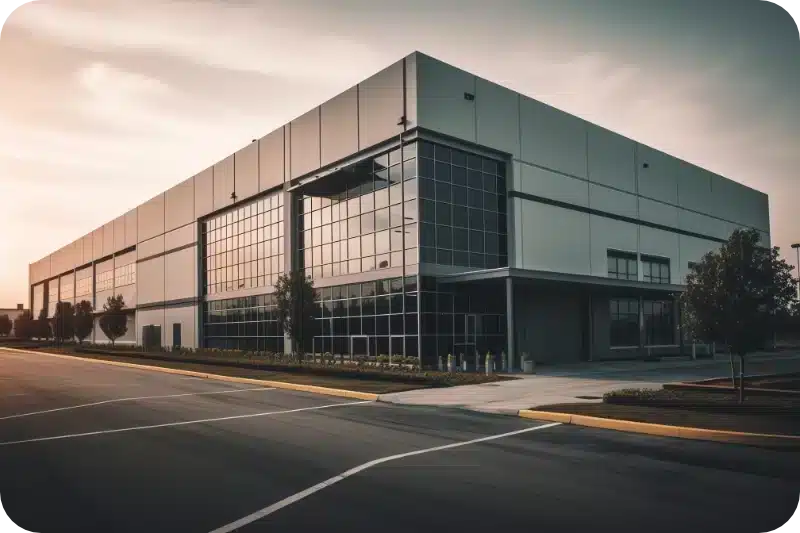
In order to protect homes or commercial properties from damage and health risks caused by unwanted insects and rodents, targeted treatment and prevention techniques must be applied with efficiency. Addressing infestations early reduces repair costs and minimizes disruptions to daily life or business operations.
Experts recommend a multi-layered approach that includes inspection, exclusion, and when necessary, chemical or non-chemical interventions. Spraying methods is not only considered, as effective management involves identifying entry points, monitoring activity, and using treatments tailored to specific species found in a structure.
It is easy to underestimate how quickly certain critters multiply inside walls or crawlspaces. For instance, carpenter ants or termites cause structural weakening which may go unnoticed until significant damage occurs. Consulting a trusted local service, such as The Pest Control Guy in Calgary offers removal and ongoing monitoring to prevent future problems.
Occasionally, simple maintenance tasks like sealing cracks or reducing moisture sources make a major difference. However, one should be cautious with DIY methods, as they provide temporary relief or may escalate the problem. Professional guidance ensures safety, especially when dealing with chemicals or hidden infestations.
Understanding Structural Pest Management in Residential and Commercial Settings
Inspection and identification stand at the core of effective infestation mitigation inside homes and business properties. Early detection of insect-infested wood, rodents, or other pests saves thousands in repairs. For instance, termites remain unnoticed until significant damage occurs, so regular assessments are recommended, especially in older buildings or those with untreated wood.
Residential environments require tailored approaches focusing on entry point sealing and moisture reduction. Many homeowners overlook small cracks or leaks, which is the ideal environment for insects. Addressing physical vulnerabilities alongside targeted treatments yields stronger results rather than relying on chemicals alone.
Commercial Spaces Demand Proactive Strategies
Businesses face unique challenges: frequent deliveries, larger foot traffic, and sometimes complex structural layouts. Monitoring programs paired with professional-grade barriers outperforms quick fixes. On one occasion, a client had a warehouse problem which persisted until a combined baiting and exclusion strategy had been implemented. Consistent monitoring reveals patterns that single interventions miss.
Balancing Safety and Efficiency
Choosing treatment options means weighing toxicity levels and impact on occupants or employees. Integrated methods that combine physical, biological, and limited chemical reduces risks. Sometimes aggressive treatments are necessary, but careful scheduling and communication mitigates concerns. For residential areas, non-invasive methods maintain comfortable living conditions during and after service.
Key Differences Between Structural and Agricultural Pest Management Practices
For buildings and residences, treatment heavily focuses on safety and durability of the premises, often requiring targeted interventions around foundations, walls, and entry points. In contrast, agricultural methods prioritize crop health and soil preservation, balancing pest elimination with protecting beneficial insects and preventing contamination.
The techniques applied inside or near homes frequently involve localized baiting, sealing entryways, and monitoring for infestations. Outside, like in fields or orchards, large-scale applications such as aerial spraying or soil treatments are frequently used. Timing varies, as indoor treatments might be reactive, addressing an immediate problem, whereas farm methods tend to follow seasonal cycles and crop growth stages.
Use of chemicals indoors demands strict attention to human exposure and residual safety, often with guidelines on how long after the service you may clean. Outdoor agricultural applications must consider runoff, pollinator safety, and regulations that differ widely by region.
While both domains employ integrated approaches, combining physical barriers, biological agents, and selective chemical use, the emphasis differs. Home and commercial treatment integrates monitoring devices and exclusion tactics, whereas agricultural practices lean more on crop rotation and natural predator encouragement, which you can read more about on this blog: what is integrated pest control.
Warranty coverage may also diverge; residential contracts sometimes clarify limits on treatment types and frequency, all clarified in this blog: does home warranty cover pest control. Such provisions rarely apply to agricultural lands, where growers manage risks independently.
Rodent management inside buildings requires different strategies than in open fields, focusing on entry prevention and bait stations, which is detailed in this blog: how pest control addresses mice. Outside, habitat modification and large-scale trapping are more appropriate.
Ultimately, although both areas aim to mitigate harmful species, the methods, timing, safety concerns, and goals vary considerably, reflecting the unique demands of built environments versus agricultural settings.
Common Building-Related Infestation Sites and How They Are Treated

Basements and crawl spaces are hotspots for pests due to moisture and darkness. Addressing these areas requires targeted measures, such as sealing cracks and applying insect growth regulators or baits. To avoid repeated visits, a professional assessment is advised, as treatment in these areas may pose to be a challenge.
Attics are a warm and undisturbed environment, which attracts rodents and certain insects. Treatment not only involves removing the infestations, but improving ventilation and sealing entry points. Occasionally, traps combined with repellents have a strong effect, but persistent infestations call for specialized approaches similar to those used by vole removal specialists.
Kitchen and pantry areas are common because of food availability. Using residual insecticides alongside thorough sanitation reduces the likelihood of recurring problems. Do not use DIY sprays, as they mask symptoms temporarily. It is recommended to schedule follow-ups, especially in commercial settings.
Wall voids and behind baseboards are less visible but frequent nesting spots for insects like carpenter ants and termites. Treatments involve injecting slow-acting products that target colonies without immediate surface traces. This method is subtle but requires patience for full effect.
Outdoor foundation cracks and spaces beneath siding serve as gateways. Closing these gaps mechanically, combined with perimeter treatments, prevents access. This dual approach is common among trusted experts like Airdrie’s trusted pest professionals.
After application of any treatment, it is critical to understand how long after pest control you may re-enter your property. This varies with chemicals used and the infestation severity, so consulting with specialists ensures correct timing and reduces health risks.
Ultimately, infestations reflect underlying issues like moisture or structural gaps. Consider why we control pest populations, as it is not simply to eliminate nuisances, but to protect your health and property long-term.
Regulatory Requirements and Licensing for Building Treatment Services
Anyone offering insect or rodent management in buildings must hold valid certification and authorization as mandated by provincial laws. Without valid licensing, applying chemical treatments or other mitigation methods is illegal and results in fines or business closure.
In Alberta, technicians are required to complete approved training programs and pass exams administered by regulatory bodies. They must also renew their licenses periodically through continued education and proof of adherence to safety standards. This ensures they stay current with product regulations and best practices.
Companies offering these services carry insurance and follow strict guidelines on product storage, application, and disposal. Compliance audits happen regularly, so reputation and trust hinge on meeting these legal expectations.
Besides licensing, operators must hold detailed records of treatments applied, including date, location, substances used, and safety measures taken. This documentation can be crucial for customer inquiries, such as questions about spider removal or treatment intervals like pest control frequency.
- Licensed applicators only
- Approved chemicals and equipment
- Regular renewals and training
- Strict record keeping
- Adherence to health and environmental rules
When hiring, confirm credentials to avoid unlicensed operators who may risk your health or property. It is important to verify rather than assume, since regulations not only protect buildings, but also the occupants’ well-being.
Q&A
How does structural pest control differ from general pest management?
Structural pest control focuses specifically on preventing and eliminating pests that invade buildings and infrastructure, aiming to protect the physical integrity and safety of those structures. Unlike general pest management, which includes outdoor areas and agricultural environments, structural pest control deals with infestations inside homes, offices, warehouses, and similar places. This includes targeting insects like termites, rodents, and ants that cause damage or health risks within the built environment.
What methods are typically used to treat termite infestations in buildings?
Termite treatment usually involves a combination of inspection, chemical barriers, baiting systems, and sometimes physical removal of infested wood. Chemical barriers consist of applying specialized termiticides around and beneath the foundation to block termites from entering. Baiting systems use cellulose-based materials with slow-acting toxins placed strategically, which termites consume and carry back to their colonies. In severe cases, replacing damaged wood and structural repairs might be necessary after treatment.
Are there safety concerns for residents or workers during pest control treatments inside buildings?
Many pest control products require temporary evacuation or restricted access to treated areas until it is safe to re-enter. Professionals take precautions by selecting appropriate chemicals and application methods to minimize exposure. Proper ventilation, protective equipment, and clear instructions for occupants reduce health risks. Informing residents or workers about what to expect and post-treatment care helps maintain safety throughout the process.
How often should a building be inspected for pest activity to prevent infestations?
Inspection frequency depends on the type of structure, local pest prevalence, and previous infestation history. Annual inspections are recommended for most residential and commercial buildings. However, properties located in high-risk areas, such as regions prone to termites or rodent issues, may benefit from more frequent checks, possibly every six months. Early detection allows for quicker interventions before significant damage occurs.
Can structural pest control measures be integrated with eco-friendly or low-toxicity options?
Yes, several pest control strategies emphasize reduced chemical use while maintaining effectiveness. These include physical barriers, traps, heat treatments, and the use of targeted baits with minimal environmental impact. Advances in technology have led to alternatives that limit exposure to harmful substances, such as bio-based pesticides and integrated approaches that combine multiple tactics. Choosing licensed professionals who prioritize safer methods helps balance pest management with environmental responsibility.
Structural pest control: get local help
The Pest Control Guy handles structural pest control and related problems across Calgary, Airdrie and the surrounding communities. Licensed technicians, prevention-first treatment and free estimates.
- All Calgary pest control services
- Book an inspection or free estimate
- More pest control advice on the blog
For background on pesticide safety and integrated pest management, see the Government of Canada pest management guide.