
How Pest Control Treatments Eliminate Different Types of Bugs in Your Home
How Pest Control Treatments Eliminate Different Types of Bugs in Your Home
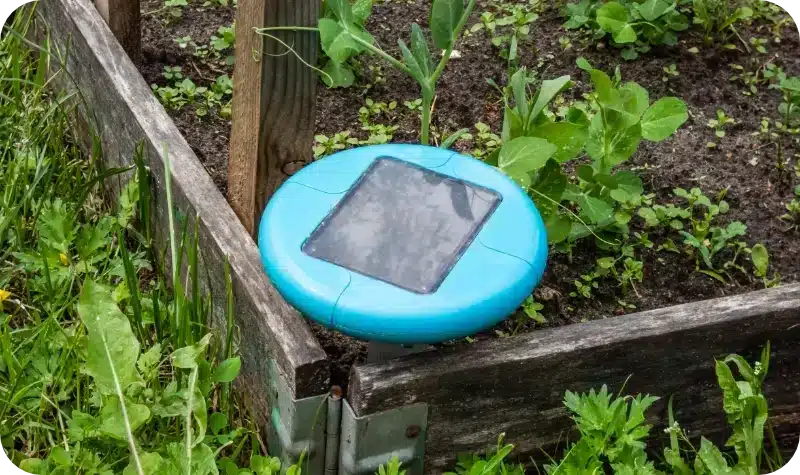
Pest control does not eliminate all insects in a single visit. Professional treatment reduces populations and controls active infestations, but complete removal of every insect is not achievable in most cases. Some species remain concealed or reenter from external sources.
Results depend on species, environment, and treatment method. Residual activity may continue for a short period after service. New activity can also occur over time without preventive measures.
Effective control requires ongoing management. Follow up treatment, monitoring, and exclusion reduce recurrence. The objective is sustained control and risk reduction, not total elimination.
Professional service focuses on measurable reduction, improved conditions, and long term prevention.
Effectiveness of Services in Eliminating Various Insects
Professional treatment addresses common crawling and flying pests. It does not eliminate all activity immediately. Some species are more resistant or remain concealed.
Services target typical infestations such as ants, cockroaches, spiders, and rodents. More persistent or less common pests may require repeated visits or adjusted methods.
Treatment scope depends on species, conditions, and access. Effective control is achieved through structured application, follow up, and monitoring.
Challenges in Complete Eradication
Complete elimination of all insects is not realistic. Outcomes depend on environmental conditions, insect biology, and human activity. Life cycles and concealed nesting sites limit immediate results.
Effective control requires coordination between service provider and homeowner. Consistent treatment and adherence to recommendations improve outcomes.
Balancing Expectations and Reality
Immediate, complete elimination is not a realistic expectation. The objective is population reduction and prevention. Effective treatment maintains pest levels below thresholds rather than achieving total eradication.
Which types of insects and critters are commonly addressed by specialized services
Targeted treatment focuses on common household pests such as ants, cockroaches, spiders, and rodents. Methods are selected based on species and activity. Spider control is typically situational, as indoor presence varies and does not always require frequent intervention.
Rodents such as voles require different methods. Their burrowing behavior affects soil, landscaping, and structural areas. Control involves exclusion and habitat management rather than standard insect treatment.
Additional targets include crawling and flying insects that affect living conditions or health. Treatment plans are adjusted to local conditions and species. No single method applies to all situations.
Accurate identification is required before treatment. Professional assessment ensures the correct approach and avoids unnecessary application.
Why some bugs may survive after professional treatments
It’s important to recognize that not every unwanted insect disappears immediately after a treatment. Certain critters have behaviors or life cycles that allow them to evade or outlast typical interventions.
One reason is that some insects are hidden deep within structures or hard-to-reach places, making it tough for treatments to affect them all at once. For example, eggs or larvae tucked away in wall crevices or soil can hatch later, even after initial efforts.
Additionally, the timing and method used might not target every stage of an insect’s life. Some species, like ticks, have multiple life phases and can temporarily avoid exposure. If you’re wondering about specifics like can pest control get rid of ticks, understanding these cycles is key.
Resistance is another factor–certain bugs develop tolerance to particular substances, reducing effectiveness. While this doesn’t apply universally, it can make complete eradication tricky.
Environmental and behavioral factors
- Outdoor conditions affect treatment performance and pest movement. Weather changes can increase activity and drive insects indoors.
- Wildlife can contribute to indoor pest presence. Animals such as raccoons may introduce or attract insects.
- Infestation level and structural access determine results. Small gaps allow reentry. Effective control requires sealing entry points and addressing exterior conditions.
Choosing the right service matters
Treatment must match the specific pest and environment. Provider selection affects outcomes. Experienced technicians adjust methods based on species, structure, and activity.
Follow up is often required. Residual activity or reentry can occur after initial treatment. Consistent service and correct strategy improve long term control.
What additional steps homeowners can take to prevent bug return
Sealing entry points reduces pest access. Cracks, gaps at windows, and openings around doors allow entry. Inspection and proper sealing limit intrusion.
Sanitation is required. Food residue and standing water attract insects and rodents. Routine cleaning and leak repair reduce activity.
Exterior conditions influence risk. Vegetation near structures provides shelter. Maintain clearance between plants and the building.
If activity persists, professional assessment is required. Targeted treatment and prevention improve long term control.
Q&A
Can a single treatment eliminate all crawling insects?
No. A single visit reduces activity but does not remove all insects. Hidden areas and life cycle stages limit full elimination. Multiple visits are often required.
Why are insects still visible after treatment?
Residual activity is expected. Eggs may hatch after treatment. New insects may enter from outside. Some areas may not be fully accessible during application.
Are some insects not targeted?
Yes. Treatment focuses on species that affect health or property. Outdoor or non harmful insects are not treated unless they enter living spaces.
What should be done after treatment?
Maintain sanitation. Seal entry points. Reduce moisture. Remove food sources. Monitor for new activity and respond early.
Can insects develop resistance?
Yes. Repeated use of the same product can reduce effectiveness. Rotating methods and using integrated control improves results.
Can routine treatment eliminate all insects?
No. Routine service controls common pests but does not eliminate all species. Some remain in concealed or inaccessible areas and require targeted follow up.
Why do insects persist after service?
Egg and larval stages may survive initial treatment. Reentry can occur through unsealed gaps. Some species are more resistant or mobile. Follow up and prevention are required for control.
Pest control: get local help
The Pest Control Guy handles pest control and related problems across Calgary, Airdrie and the surrounding communities. Licensed technicians, prevention-first treatment and free estimates.
- All Calgary pest control services
- Book an inspection or free estimate
- More pest control advice on the blog
For background on pesticide safety and integrated pest management, see the Government of Canada pest management guide.