Recommended Pest Control Inspection & Treatment Frequency for Your Property
For most residential and commercial properties in Calgary, service every three months provides effective prevention. This interval limits recurring activity in typical conditions. Properties near green space or with older construction may require more frequent service. Extended gaps increase risk.
Waiting for visible signs increases complexity. By the time activity is noticed, infestation is often established within concealed areas. Seasonal patterns influence risk. Ants increase in spring, wasps in summer, and rodents move indoors in fall. Scheduling aligned with these cycles improves control.
After an active infestation, frequency increases. Monthly follow up is often required to disrupt breeding cycles. Single applications do not resolve established populations. Service intervals should be based on inspection findings.
Commercial properties require higher frequency. Monthly or bi weekly service is common in environments such as restaurants and warehouses. Consistent treatment supports compliance and reduces operational risk.
How Frequently Are Treatments Recommended?
For most homes in Calgary, a quarterly schedule is effective. Service every three months disrupts insect and rodent cycles without excess treatment. Properties with repeated activity or proximity to green space or water may require bi monthly service. Low risk, well sealed homes may require two visits per year.
Timing depends on pest type. Ants and wasps increase in spring and summer. Rodents and spiders increase in fall. Service should be scheduled based on activity patterns, not a fixed calendar.
The objective is prevention. Treatment should target risk periods and reduce future activity without unnecessary application.
Different Needs for Different Homes
Service needs vary by property type. A downtown condo requires less frequent treatment than an acreage. Households with children or pets may require lower toxicity options and adjusted intervals. Natural methods may be used in some cases, but effectiveness depends on conditions.
No fixed schedule applies to all properties. Frequency should be based on activity patterns and risk level. A baseline approach is one visit in spring and one before winter. Adjust frequency based on inspection results and observed activity.
Recommended Treatment Frequency for Common Household Pests
Ants: Quarterly service is typically sufficient. During active infestations, monthly treatment may be required to regain control.
Rodents: Higher frequency is required. If droppings or gnawing are present, treatment every few weeks may be necessary. Sprays provide limited control. Trapping and sealing entry points are more effective.
Spiders and silverfish: Bi annual service is standard. Spring and fall treatments align with indoor activity cycles. Increased activity requires immediate treatment rather than delay.
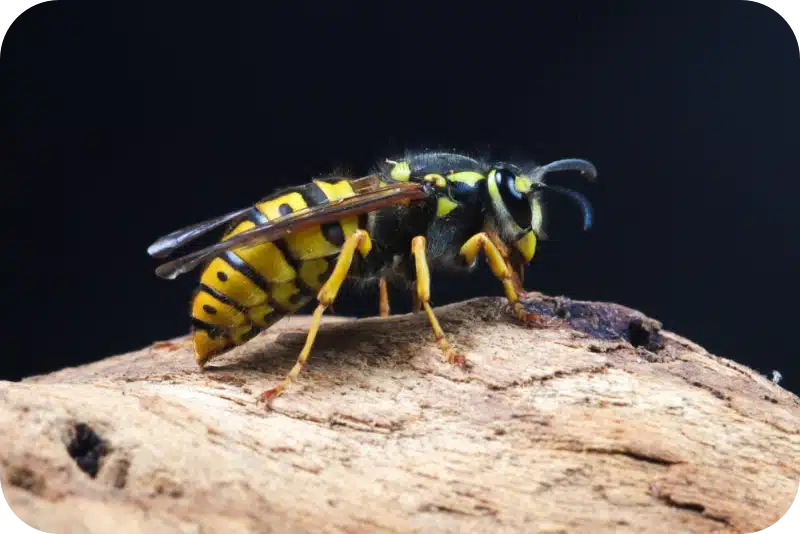
Wasps: Early season treatment reduces nest development. Repeated nesting in the same areas may require extended control measures.
Voles: Outdoor management is required. One time treatment is ineffective. Seasonal, multi step control is necessary, especially in conditions with snow cover.
Cost varies by method and frequency. Treatment planning should consider both initial control and ongoing maintenance.
Some Pests Don’t Stick to a Schedule
Roaches are unpredictable. A single treatment may reduce activity, but recurrence within weeks is common. In active cases, bi weekly service may be required until control is achieved. Maintenance frequency can then be reduced.
No fixed schedule applies. Service intervals should be adjusted based on observed activity, conditions, and risk factors.
How Seasonal Changes Impact the Need for Pest Control Services
Begin preparation in early spring. As temperatures rise, ants, wasps, and spiders increase activity indoors and around structures. Early treatment limits entry point access before infestations develop.
Outdoor activity peaks in mid summer. Wasps become aggressive, carpenter ants increase, and rodents begin seeking shelter for fall. Mid season service reduces population buildup before transition periods.
Late August through October marks increased rodent intrusion. Entry occurs through small openings, often supported by accessible food sources. Seasonal temperature changes drive movement indoors. Fall treatment is critical to prevent interior infestation.
Winter Isn’t a Break
Winter activity continues. It shifts to concealed areas such as basements, attics, and wall voids. Mechanical methods, including trapping and exclusion, are more effective than sprays during this period.
Spring: Prevention and barrier installation
Summer: Monitoring and targeted treatment
Fall: Entry prevention for overwintering pests
Winter: Inspection, trapping, structural sealing
Service frequency varies by risk. Quarterly service is standard. Properties with prior rodent activity may require increased frequency during colder months. Factors include weather, structure, and surrounding environment.
Signs That Indicate It’s Time to Schedule an Additional Pest Control Visit
Unusual signs indicate the need for service. Scratching within walls, debris near baseboards, or odours in storage areas suggest active intrusion. Delay increases population growth and structural impact.
New activity after treatment indicates incomplete control. Even minor sightings can reflect a larger, concealed issue.
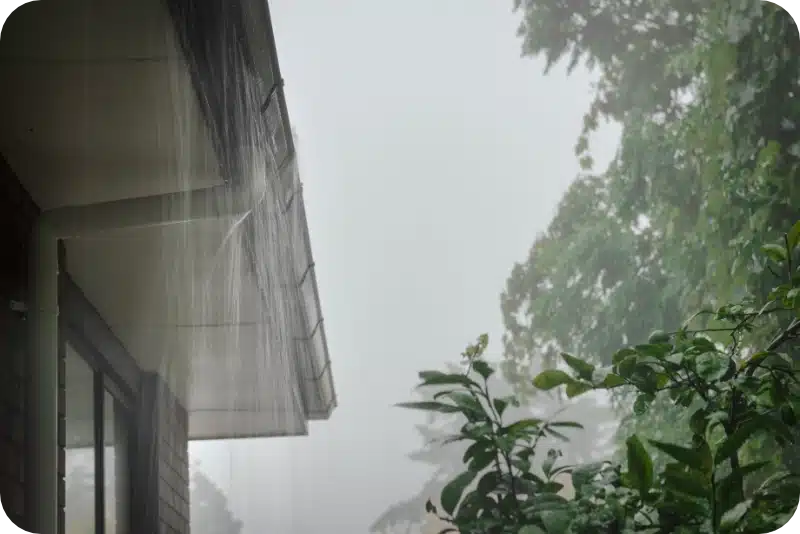
Weather changes affect behaviour. Warm periods or heavy rain can trigger movement or digging near structures. Early assessment limits further damage and supports effective control.
Unusual Behavior from Pets or Sounds at Night
Unusual pet behavior can indicate pest activity. Persistent attention to walls or baseboards may signal movement within concealed areas. Noises such as scurrying, flapping, or chewing at night suggest active presence.
Previous treatment may not address new conditions. Infestations change over time. Method selection should be based on current activity and seasonal patterns.
Leftover Traces or New Damage
Droppings, grease marks along walls, and chewed packaging indicate active or recurring infestation. Absence of visible pests does not confirm resolution. Delay allows continued activity and damage.
Reentry risk remains in older structures and shared buildings. Follow up inspection supports control and reduces recurrence. Reliable, consistent service improves long term results.
Following several weeks of above-average rainfall across Calgary, Airdrie, and surrounding communities, homeowners should expect to see a noticeable increase in mosquito activity. Warm temperatures combined with frequent rain create ideal breeding conditions, allowing populations to grow much faster than they would during a typical Alberta summer. While these insects are a familiar part of […]
As Summer 2026 progresses, homeowners throughout Calgary, Airdrie, and surrounding communities can expect increased activity from a variety of common pests. Warmer temperatures, seasonal rainfall, and expanding vegetation create ideal conditions for insects, rodents, and wildlife to thrive. Understanding which pests are most active during the summer months can help property owners identify issues early […]
If your lawn is starting to feel soft, uneven, or covered in thin trails, you may be dealing vole activity. In Summer 2026, vole populations in Airdrie are increasing due to ideal breeding and feeding conditions, increasing the chance of potential vole damage. Voles do not just damage grass. They tunnel beneath the surface, destroying […]
Wasp activity in Airdrie is expected to spike in Summer 2026. Warmer weather and early nesting conditions are already leading to faster colony growth. What starts as a small nest can turn into a serious problem within weeks. Understanding where wasps build, what to look for, and how to respond early can prevent aggressive infestations […]
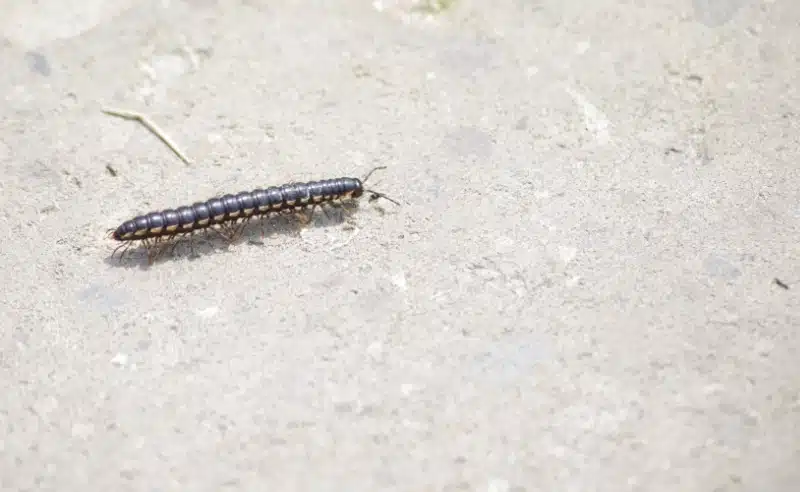
How Professional Pest Control Targets and Removes Centipede Infestations Hiring a licensed exterminator is typically the most reliable way to stop recurring sightings of multi-legged pests. Store-bought sprays or traps may provide short-term relief, but without addressing hidden sources and entry points, the problem often returns. Professionals have access to treatment methods and inspection tools […]