
How Pest Control Methods Target and Remove Springtail Infestations
How Pest Control Methods Target and Remove Springtail Infestations
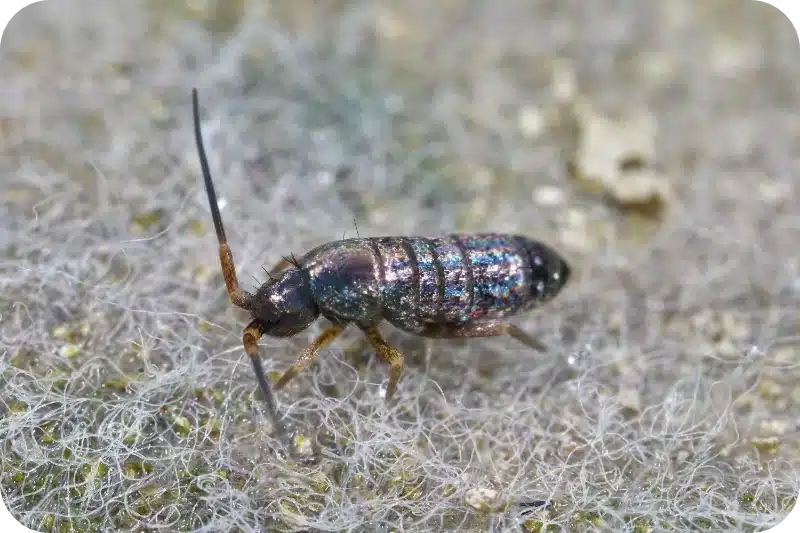
Professional treatment can address small jumping insects found near drains, windows, or soil around a foundation. Indoor presence typically indicates excess moisture or organic buildup. Control requires more than surface application.
Moisture conditions must be corrected first. These insects develop in damp areas such as bathrooms, under sinks, basements, or overwatered soil. Leaks and poor ventilation must be addressed. Without correcting these conditions, treatment will not provide lasting results.
Effective control often requires both interior and exterior measures. Indoor applications may be applied along baseboards or entry points. Exterior assessment is also required, particularly in areas with soil, mulch, or organic material where populations develop.
Population growth can occur quickly in favorable conditions. Long term control depends on identifying and correcting the source in addition to applying treatment.
Managing Moisture to Effectively Eliminate Bugs Indoors
Effective control requires direct action. Reduce humidity, repair leaks, and address entry points. Recurring activity indicates an ongoing moisture source within or beneath the structure. Interior treatments reduce numbers but do not resolve the issue without correcting damp conditions.
Common harborage areas include basement walls, bathroom corners, and damp soil. Activity is often visible when disturbed. Identification of these areas is essential for control.
Exterior conditions also contribute. Moist soil near foundations, shaded mulch, and organic debris support population growth. Perimeter treatment can reduce activity, but physical corrections such as drainage improvement or material removal are required for long term results.
Resolution may require multiple visits and adjustment of methods. Treatment effectiveness depends on identifying and correcting contributing conditions. Control is achievable when moisture and access are managed consistently.
How Pest Control Technicians Identify and Locate Springtail Infestations
Specialists begin by identifying the moisture source. This is the primary indicator of springtail activity. These insects cluster in damp areas such as under sinks, along basement walls, or near leaking window frames. Condensation, mold, or water damage often indicates their presence.
Inspection extends to concealed areas. Technicians check behind baseboards, beneath fixtures, and within soil of indoor plants. Moisture meters may be used to detect hidden dampness. Musty odors can also indicate favorable conditions, even when insects are not immediately visible.
Detection often relies on patterns and subtle signs. Movement may only be visible under direct light. Professional assessment combines inspection tools with experience to accurately locate activity.
How Inspections Differ From Routine Service Visits
A springtail inspection differs from routine service visits. It is detailed and focused on identifying underlying conditions rather than maintaining treated areas.
Technicians assess moisture sources, airflow, and drainage patterns. This includes evaluating grading around the foundation and identifying areas where water accumulates. The process is methodical and designed to locate contributing factors rather than apply surface treatment.
When a Visual Isn’t Enough
In some cases, visible activity is minimal. Patterns such as recurring sightings near drains or increased activity after rainfall indicate underlying conditions. These patterns guide the assessment.
The focus shifts to identifying contributing factors. This may include reviewing recent repairs, evaluating ventilation, and inspecting concealed areas that retain moisture. Similar approaches are used for other low visibility pests, where indirect signs indicate activity.
Effective assessment relies on interpreting environmental conditions rather than relying solely on direct observation. Experience is critical in identifying these patterns and locating the source.
How Pest Control Treats Springtail Infestations: Indoors and Outdoors
Targeted treatment begins with moisture control. Indoor conditions such as hidden leaks, window condensation, and high humidity in crawlspaces or basements must be addressed first. Dehumidification, improved ventilation, and sealing around pipes or vents reduce conditions that support activity.
Once moisture is controlled, limited surface applications may be used. Target areas include spaces under sinks, behind appliances, and along baseboards. Product selection is important. Non repellent formulations are often preferred to avoid dispersing insects deeper into the structure.
Exterior control focuses on the foundation perimeter. Treatment may include soil, mulch, and shaded areas where moisture accumulates. Removing organic debris such as wet leaves or decaying material reduces harborage. Granular applications may be used in areas with higher activity.
Persistent activity requires continued inspection. Identifying the exact moisture source is critical. Without resolving the underlying cause, control measures will not provide lasting results.
What to Expect After Treatment and How to Prevent Springtails from Returning
Do not be concerned if activity continues briefly after the initial treatment. Residual products require time to reach full effectiveness. Some insects may remain for several days, particularly in damp areas such as under sinks or near floor drains. This does not indicate ongoing reproduction.
Maintain dry conditions during this period. Use ventilation in basements or crawlspaces, repair leaks promptly, and limit moisture near the foundation. These steps support treatment effectiveness.
If pets are present, confirm safety measures with the technician. Products are selected for controlled use, but proper application and guidance are essential.
Long term prevention depends on environmental control. Remove organic debris and excess mulch near the foundation. Seal cracks and areas where moisture accumulates. In regions with seasonal changes, periodic professional maintenance may be required.
Moisture related infestations can indicate additional issues. Hidden water sources or rodent activity may contribute to conditions that support insects. A broader inspection may be necessary to identify all contributing factors.
Effective control requires drying, sealing, and monitoring. Avoid cleaning treated surfaces prematurely, as this can reduce product effectiveness before the treatment cycle is complete.
Q&A
Will a single treatment eliminate all springtails in my home?
A single visit rarely solves the problem entirely. Springtails often live in hard-to-reach damp areas, and their eggs can hatch after the initial application. Multiple visits may be needed, especially if moisture issues aren’t addressed at the same time. A follow-up schedule combined with reducing humidity is usually more successful.
Why do springtails keep coming back after spraying?
If you’re seeing them again, it’s likely due to persistent moisture in or around the structure. Springtails are strongly attracted to damp materials like soil, mulch, leaky pipes, or wet insulation. Spraying helps reduce their numbers, but unless those conditions are fixed, they often return. Professional services typically include moisture inspection to prevent recurrence.
Are indoor treatments safe for pets?
Most companies use products labeled as pet-safe once dry. Still, it’s smart to ask what will be used and whether it’s approved for use around animals. You can read more about this topic here: is pest control safe for pets.
How do professionals find out where springtails are hiding?
They inspect damp areas like baseboards, around sinks, behind appliances, and crawlspaces. Outdoors, they check mulch beds, downspouts, and soil near foundations. If you’re interested in how this process works, here’s a related resource: can pest control get rid of moths.
Can I prevent springtails myself without hiring anyone?
Yes, but it requires work. Dehumidifiers, sealing cracks, replacing wet wood, and managing outdoor drainage are key. If the infestation is widespread or keeps returning, professional support may be more practical, especially if structural moisture issues are involved.
Pest control: get local help
The Pest Control Guy handles pest control and related problems across Calgary, Airdrie and the surrounding communities. Licensed technicians, prevention-first treatment and free estimates.
- All Calgary pest control services
- Book an inspection or free estimate
- More pest control advice on the blog
For background on pesticide safety and integrated pest management, see the Government of Canada pest management guide.