
If you have spotted small fluttering insects in your pantry, or noticed chewed-up fabric in the closet, it is time to act. These signs point to an infestation which will not disappear on its own. Pest control deals with many pests, including moths. This guide will explain how infestations are managed and how you can prevent them in your space.
Scheduling a home visit with trained technicians is a very reliable step forward. Store-bought traps and sprays may seem like a quick fix, but they do not resolve the source of the infestation. In Calgary homes, both clothing moths and pantry-invading species tend to settle in undisturbed places, such as behind baseboards, under furniture, or even inside boxed food. A thorough inspection is necessary before any action, as most homeowners do not feel confident inspecting on their own. People have thrown away entire wardrobes, assuming that is the only option. Timing is a major factor in extermination, as the longer the pests are allowed to breed, the harder they are to eliminate.
Experts begin by identifying the species, then use targeted treatments depending on where the insects are nesting. For example, residents in Airdrie might deal with very different conditions compared to someone in a downtown condo. While chemical solutions are sometimes necessary, safe and localized application makes a big difference, especially in homes with pets or kids.
Furthermore, no single visit solves everything. Monitoring, follow-up, or even minor lifestyle changes (such as switching to airtight containers or clearing cluttered storage) are key factors to extermination. Even with the frustrations that come with moth outbreaks, with the right help, they are entirely manageable.
Yes, with the right measures, pest control will clear your home of these silent fabric invaders. The key is a targeted approach that does not only respond to surface-level signs, but leaves after the full lifecycle. Eggs, larvae, adults, each stage needs a specific strategy.
A client in Calgary tried everything: lavender sachets, cedar blocks, even freezing wool sweaters in plastic bags. It proved to be of no avail, as the results were only temporary. The problem with DIY methods is that they might be of little help, but rarely touch the source. You need a program built around real insight into insect behavior. That is where structured approaches like integrated pest control come in. It is not simply about spraying, it is about identifying attractants, adjusting environmental factors, and applying safe treatments when needed.
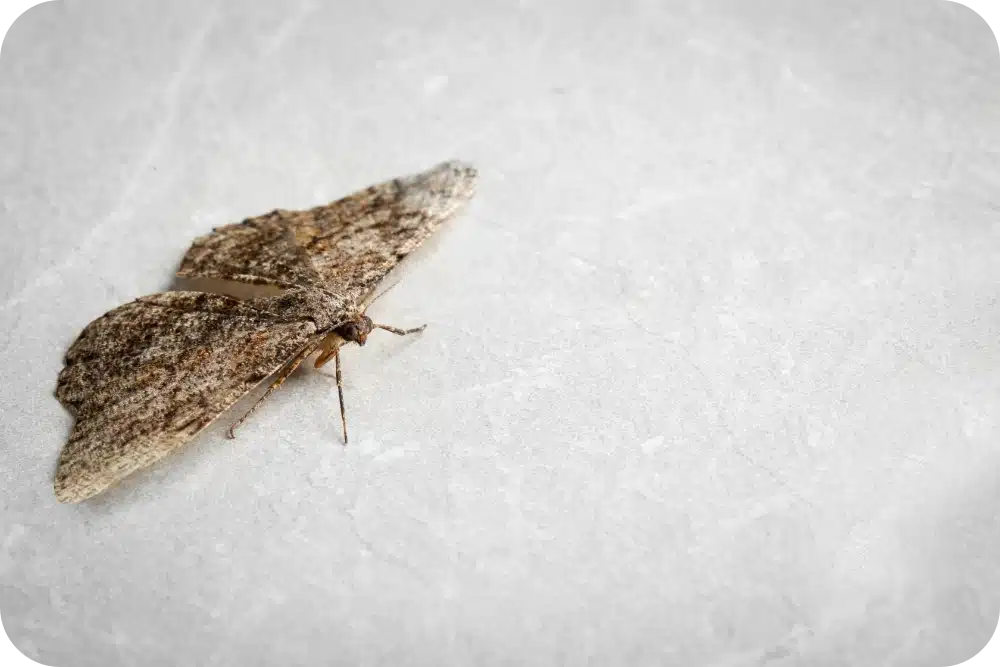
A specialist will first assess whether it is clothes or pantry moths. Each has different patterns, one targets textiles, the other flour, cereal, grains. That distinction matters. Once the distinction is clear, attention shifts to hidden hotspots: baseboards, air vents, behind furniture, or even pet food storage.
In various ways, it is similar to the process used in roach removal. Isolate the source, cut off the food supply, then disrupt breeding. With moths, pheromone traps help track movement, but real results show when everything works together, sanitation, exclusion, and ongoing monitoring. Consistency is key.
For extermination to be effective, you must form strong habits, even if a treatment seems to clear everything. Leaving bulk grains in paper bags, storing sweaters in dark closets all creates conditions where the infestation will return. Assistance is available, but works best when your property sustains a pest-free environment.
Improvements do not appear overnight. But it will still be resolved. Once the infestation is gone, most people claim they wish they had acted sooner.
Begin by identifying what you are dealing with. Indoor moths may behave differently. Clothes moths linger in dark, undisturbed areas, such as closets, baseboards, or storage bins. However, pantry varieties are drawn to grains, cereals, and pet food. The right treatment depends entirely on the species. That is where an on-site inspection is more beneficial than any attempt at resolving the problem yourself.
A technician may use pheromone traps for food-invading species, but that will not have much of an effect for fabric-damaging ones. Clothes moth issues require heat treatment, deep vacuuming, and sometimes applying targeted dusts into wall voids or under baseboards. For pantry intrusions, vacuuming and clearing out infested dry goods is the beginning. Residual spot treatments and monitoring are needed to break the lifecycle, especially when larvae hide in crevices around pantry shelving.
Blanket solutions rarely work. Professionals adjust based on layout, clutter, and humidity levels in the home. There have been cases where clients thought they had pantry issues, only to discover larvae chewing through a wool carpet under a spare bed. This may seem confusing, but it is far from unusual. This is why experienced providers like those offering Airdrie pest consultations take time to investigate before suggesting action.
In multi-unit buildings or older homes with crawl spaces, a broader inspection is often necessary. Infestation hotspots can spread fast between units, especially when clutter or ventilation issues are involved. Teams that offer responsive pest help in Calgary understand the local building styles and seasonal triggers, which makes a major difference.
Although they matter, it is not simply about products. Pest control requires knowing how and where to use them. DIY sprays will not reach deep nest sites or tiny larvae tucked into baseboard seams. Relying solely on natural repellents or cedar blocks is far from long-term effectiveness. If you have already experienced issues with voles, you will understand how much easier it is to get rid of them when the approach is strategic, not only reactive.
In summary, effective removal comes from a trained eye and a layered plan. Even the cleanest homes are not immune. There are numerous reasons why homes end up needing intervention, such as hitchhiking groceries, second-hand furniture, or even changes in temperature. Some of these triggers are explained well here: what are the main reasons for pest control. The sooner the right measures begin, the less likely insects will return or spread into your living space.
Before moving forward, ensure you have cleared access to closets, baseboards, and storage spaces, especially where fabric, grains, or dry goods are kept. These areas are vital to inspection, so make sure there is space before the professionals arrive.
The visit begins with a detailed walkthrough. The technician will ask a few questions about what you have seen: types of damage, where you have found insects, etc. It may feel repetitive, especially if you completed a form prior to their arrival, but small details are more important than you think.
Once they have made an assessment, they will identify whether you are dealing with fabric feeders, pantry invaders, or both. The treatment is heavily influenced by this distinction. With pantry cases, food sources need to be tossed or sealed. If the issue is clothing-based, expect conversations about dry cleaning, vacuuming, and textile storage management.
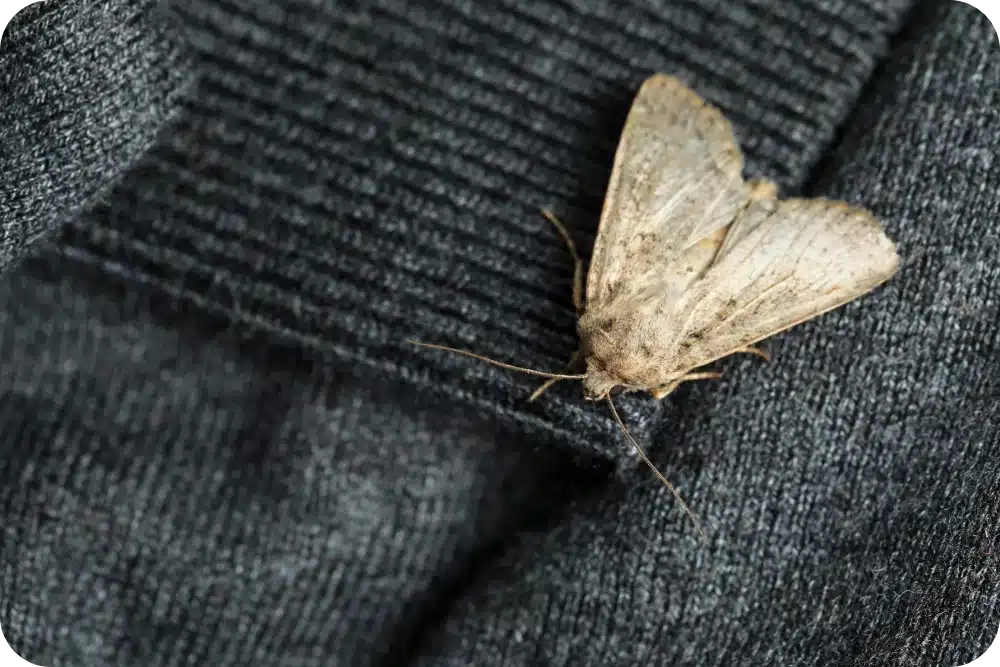
Mixing various techniques is highly likely. They may use a low-toxicity residual spray around baseboards, or introduce insect growth regulators to break the breeding cycle. Pheromone traps are often placed to monitor for lingering activity. In numerous situations, dust formulations get into tight cracks and inaccessible zones where adults hide or larvae pupate. It is not so dramatic where there is fog or a cloud, but it is targeted and methodical.
Preparation proves to be very effective. However, depending on what is found, you might be asked to do more after the visit. Do not be surprised if the technician recommends follow-ups or monitoring over several weeks. This is not upselling; these insects can be difficult. One treatment could be enough, but not always.
Read this quick overlook for deeper insight into pricing comparison with different services: how much does pest control cost for wasps. This provides you with a general idea on what is considered reasonable in similar residential scenarios.
After everything is complete, continue to observe and stay alert. Save any insects you find, whether they are dead or alive. This may sound odd, but it is very useful for identifying whether the problem is returning or it is a new issue. You will have the appreciation of your technician, as well as it makes any follow-up visits more precise and impactful.
The fastest method to cease an indoor outbreak is a combination of insect growth regulators (IGRs) and pheromone-based lures. IGRs do not eliminate pests immediately, but destroy their essential development cycle, exterminating them with time. It is a slower, but reliable fix. Professionals may use them around pantry shelves, baseboards, or even vents if the source is not clearly identified.
Pheromone traps are more precise. These sticky pads attract adult males using synthetic female scents, which are odorless to humans. Once inside, they cannot get out. This alone will not solve a drastic issue, but it slows breeding and helps pinpoint where activity is concentrated. For example, if you notice that most captures are near dry food storage, that is your target zone.
For direct contact treatments, residual insecticides like pyrethroids are highly efficient. They are used sparingly, such as corners of closets or cracks behind baseboards. Foggers and aerosol bombs are efficient but are not recommended for confined areas unless the infestation is widespread. They are messy, they linger, and often miss hidden spots.
Various companies may suggest sealing entry points or cleaning vents, especially if the source seems structural. Read this quick overlook for deeper insight into pricing comparison with different services: how much does pest control cost for wasps.
There is not “one single” product which resolves all your issues. It is layering methods, observing patterns, and adjusting the treatment based on the results. One visit may not resolve the issue, especially if eggs continue to hatch. However, if you understand what to look for and use the right mix of treatments, the infestation will be resolved.
After a professional treatment targeting moth infestations, maintaining effectiveness requires consistent habits. Airing out the treated areas is recommended to help reduce any lingering odors. The smell from a treatment fades within a few days, but can vary depending on the product used.
It is a good idea to keep storage spaces tidy and regularly inspect clothing, linens, and pantry items to avoid another problem. Vacuuming frequently disrupts larvae and eggs that may have been missed during treatment.
Have caution when reintroducing untreated items, bringing in new fabrics or dried goods without checking them. This habit supports long-term infestation prevention. Many question whether treatment is necessary during colder months, and yes, moths pose to be a problem indoors year-round. Staying vigilant is wise.
For future interventions, preparing your home correctly makes a significant difference. For tips on that, check out how to prepare for pest control. Following these steps means fewer surprises and a more moth-resistant environment going forward.
How does professional treatment eliminate different types of moth infestations?
Specialized treatments target the specific behavior and biology of various moth species. For fabric moths, methods focus on destroying larvae that feed on natural fibers, often using insecticides safe for textiles. Pantry moths require treatment that eliminates eggs and larvae in food storage areas, combined with thorough cleaning and disposal of contaminated products. The approach adapts to the type of moth to maximize impact and reduce the chance of return.
Are there risks associated with chemical treatments for moths inside the home?
Chemical solutions can pose health concerns if not applied correctly. Some insecticides may cause allergic reactions or respiratory irritation, especially in sensitive individuals such as children or pets. It is important that treatments are performed by trained personnel who use safe products and follow guidelines for ventilation and exposure reduction to protect household members.
What steps should be taken immediately after moth treatment to prevent reinfestation?
After treatment, cleaning and maintenance become critical. This includes regular vacuuming, washing fabrics in hot water, storing susceptible items in airtight containers, and monitoring for signs of new moth activity. Keeping pantry items sealed and avoiding excess humidity also help create an environment less favorable for moths to return.
How long does it usually take to notice a reduction in moth presence following treatment?
Results vary based on infestation size and treatment type. Often, noticeable decline in moth activity can be seen within a week, as larvae are eliminated and adult moths disappear. Complete eradication may take several weeks if eggs are present, since they hatch over time, requiring follow-up cleaning or treatments.
Can traps alone control moth infestations effectively?
Traps can help monitor and reduce the number of adult moths, but they rarely solve the problem by themselves. Because moth larvae hidden in fabrics or food continue to develop, traps need to be part of a broader plan that includes cleaning, proper storage, and sometimes chemical treatment to fully address the issue.